Product for this step
Soap · Amazon.com
0 reviewsMoroccan ritual & routine · Step by step
Yes, gently: a pea of Moroccan black soap on the T-zone, one minute, once a week, no kessa. How it is done above the neck, and who should skip it.
 By Fatima AmgharMoroccan beauty editor at Bodywhatever™
 Moroccan black soap
 Moroccan rose water
2 product listings on Amazon
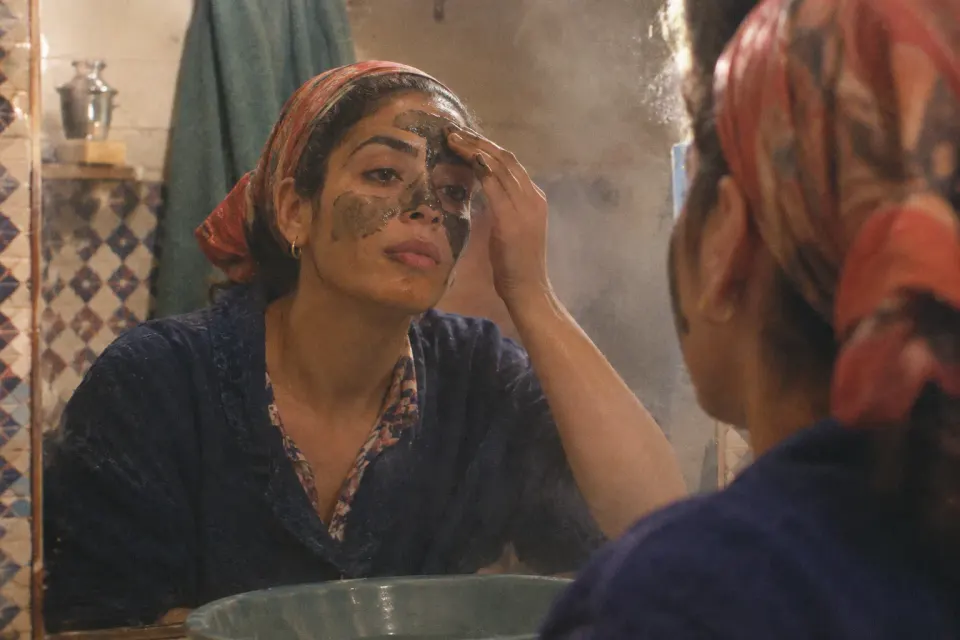
Yes, gently: a pea of Moroccan black soap on the T-zone, one minute, once a week, no kessa. How it is done above the neck, and who should skip it.
For you if your T-zone is shiny by noon and you wonder whether your hammam soap can go on your face.
Yes, but not the way it is used on the body. In the hammam, saboun beldi, Moroccan black soap, is spread from the neck to the toes and followed by the kessa mitt. Above the neck the rules change: a pea of paste softened with water, on the forehead, nose and chin only, for one minute, and no mitt at all.
It is a weekly deep clean, not a daily face wash. If your T-zone shines by noon and you have looked at the jar in your shower and wondered, here is the gentle way Moroccan women do it, and the faces that are better off without it.
In the United States, indoor heating pulls water from the skin in winter: apply your care while your face is still damp, and be a little more generous in the cold months.
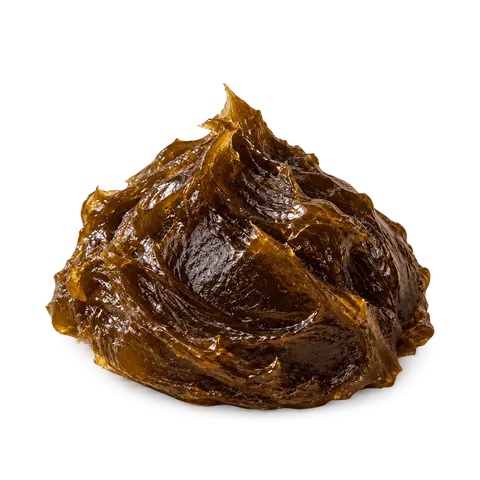
Saboun beldi is not a bar. It is a dark, soft paste made from olives and olive oil, sometimes with eucalyptus, and every Moroccan family has a jar of it. It barely foams. Its job in the hammam is to soften the skin so that everything after it works better. It is also a true soap, stronger than a face cleanser: it takes oil away thoroughly. On the thick skin of the body that is welcome. On the face, which is thinner and already washed every day, the same strength asks for a tiny amount, a short time and a week of rest in between.
In the hammam nothing touches the skin before the steam has done its work. Warm, damp skin lets the paste glide in a thin film; cold, dry skin makes you rub, and rubbing is what a face does not forgive. The kessa, l-kissa, is made for arms, legs and backs. Moroccan women do not take it to their cheeks, and neither should you. On the face the soap works alone, and a soft cloth takes it away.
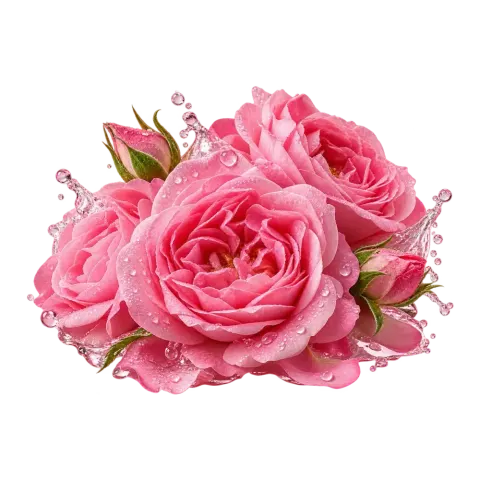
Skin that has just met a real soap wants its comfort back. The Moroccan finish is always the same two gestures: ma ward, rose water, misted on while the face is still damp, then a moisturizer or two drops of zit argan, argan oil, pressed on top to hold the softness in. Skip the finish and the face feels tight within the hour.
Step 1
Soften a trace of paste with water and leave it for one minute on a small patch under the jaw, then rinse. Wait until the next day. If the skin is calm, go on to the face the following week.
Step 2
Do it at the end of a warm shower, when the bathroom is full of steam, or hold a warm, damp cloth on your face for a minute. Take off makeup and sunscreen first with your usual cleanser; the soap is not for the eye area.
Step 3
Scoop a pea-sized amount with a clean finger and soften it with a few drops of water between your fingertips until it turns milky. Spread it in a thin film over the forehead, the nose and the chin, well away from the eyes and lips. Leave it one minute. No rubbing, no circles: the paste does the work by sitting there.
Product for this step
Soap · Amazon.com
0 reviewsStep 4
Rinse with lukewarm water, as completely as the soap is rinsed in the hammam before anything else touches the skin. A soft, wet cloth passed once over the T-zone lifts what is left. Pat your face with a towel and leave it a little damp.
Step 5
Mist rose water over the damp skin, or press it on with your palms. Before it dries, follow with your moisturizer, or warm two drops of argan oil in your hands and press them over the face, cheeks included. This is the finishing gesture of every hammam, and here it is not optional.
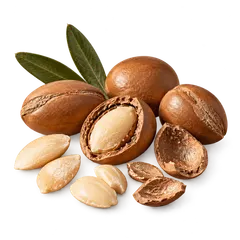
Product for this step
Oil · Amazon.com
0 reviewsA small tip: keep face day and body day together. One jar, one warm bathroom, one evening a week.
Using it every day. Once a week is the most a face needs; on other days, your usual gentle cleanser.
The kessa on the face. The mitt is for the body. On the face a soft cloth is enough.
Leaving it on like a mask. One minute. Paste that dries on the face is paste that was left too long.
Going near the eyes. It stings there. Stay on the forehead, nose and chin.
Stacking it with another strong step. On black soap evening, no scrub and no exfoliating acid. One deep clean is enough for one face.
Expecting more than it gives. Saboun beldi leaves skin clean and soft. It does not change your skin tone, and it is not an answer to breakouts.
If your skin is dry, use the soap on the T-zone only, every two weeks, and leave your cheeks alone. If your skin is sensitive or reacts easily, or if it is sunburned, freshly shaved or in the middle of a breakout, keep the black soap for your body and stay with your usual cleanser. And if the paste ever stings or leaves your face tight for hours, rinse, moisturize and do not insist: plenty of Moroccan women only ever use it below the neck.
A real beldi paste has a short ingredient list: olives or olive oil (Olea europaea), water, potash (potassium hydroxide) and sometimes eucalyptus oil. The color runs from amber-brown to a deep greenish black, the texture is thick and a little stretchy, like soft butter, and it smells of olives. For the face, the plain olive paste without eucalyptus is the gentler choice.
What a Moroccan grandmother would refuse: a gel that pours, a bright green or jet black that comes from a dye, a strong perfume, a paragraph of ingredients, and a hard bar sold as beldi. African black soap is a different soap from a different tradition; it is not what this method describes.
A Bodywhatever™ selection: Moroccan care you can buy in the United States.
As an Amazon Associate we earn from qualifying purchases. Purchases, payment, delivery and returns are handled by the seller or marketplace, not Bodywhatever™. Prices and availability can change.
Use suitable products you already own. This selection may not cover every step; open CareFinder to apply your budget and label preferences.
Our pick
Best for: a first hammam at home
Soap · Skin · Body
 Find it on Amazon
Marketplace: Amazon.com

Our pick
Best for: a first bottle of pure argan oil
Oil · Skin · Hair · Body
Find it on AmazonMarketplace: Amazon.com
Common questions
No. Once a week is enough, and less if your skin is dry. On other days, use your usual gentle cleanser.
No. The kessa is made for the body. For the face, a soft cloth is enough.
One minute, on warm, damp skin, then rinse completely. On the body it can sit for a few minutes; the face gets the short version.
An oily T-zone is the face it suits best, once a week. It is a cleanser, though, not an acne product. During a breakout leave it aside, and for breakouts that stay, ask a dermatologist.
No. It cleans and softens, and clean, soft skin catches the light better for a day. It does not change your skin tone, whatever a label says.
Better not. Makeup sits around the eyes, where this soap stings. Take makeup off first with your usual cleanser, then use the soap on the T-zone.
No. Saboun beldi is a soft olive paste from Morocco, used in the hammam. African black soap is a firmer soap from another tradition, made with plant ash. They are used differently.
In the United States you can order it on Amazon. Bodywhatever™ keeps a short selection of what can be delivered there, so you do not have to search through hundreds of listings. Open it here:
 30 minutes
Ritual & routine · Skin Care
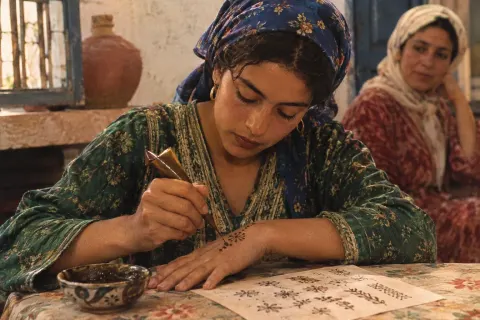
Pure henna, a rested paste, a fine cone and three Moroccan shapes a beginner can draw: how to paint your hands at home and keep the color.
You
Bodywhatever™
Brightening is one of the most searched skin goals. Here is a hammam favourite that fits right in.
You
Bodywhatever™
In hot weather a shiny T-zone is normal. A five-minute weekend mask and a cooling mist keep it fresh.

Bodywhatever™ · CareFinder
Tell us about your hair or skin and your current habits. CareFinder explains where Moroccan ingredients fit and puts together care steps, with product options in the United States.
Find my care planFree · Email code · Saved in My Bodywhatever™
Make money with Bodywhatever
Create your bwe page for free. Share your routines, add your Amazon links and earn when people buy what you recommend.
Free. Takes 5 minutes. Sign in with an email code, no password.

Turn your wash day, skin night or hammam ritual into simple steps.
Pick the products you really use and add your own affiliate links.
Put one link in your bio and see your page views and product clicks.