Product for this step
Floral water · Amazon.com
0 reviewsMoroccan ritual & routine · Step by step
Pure henna, a rested paste, a fine cone and three Moroccan shapes a beginner can draw: how to paint your hands at home and keep the color.
 By Fatima AmgharMoroccan beauty editor at Bodywhatever™
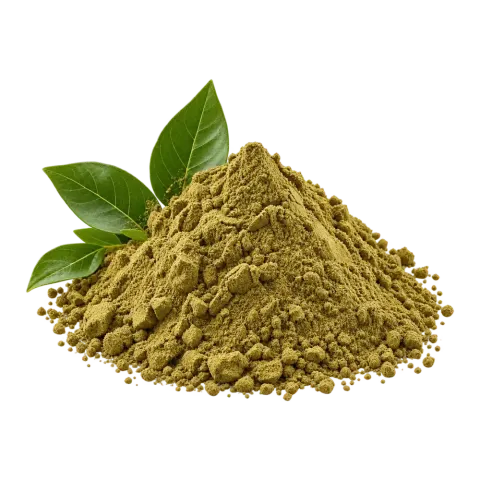
 Moroccan henna
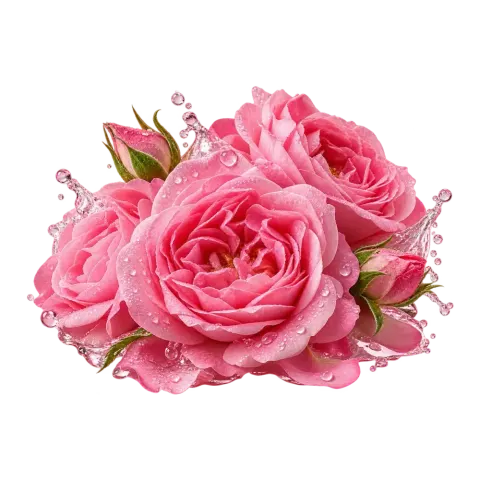
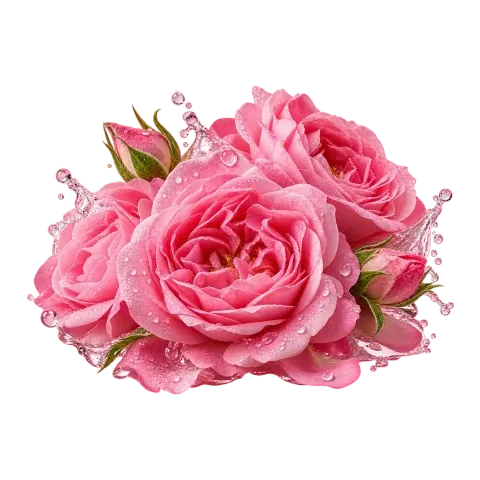
 Moroccan rose water
2 product listings on Amazon
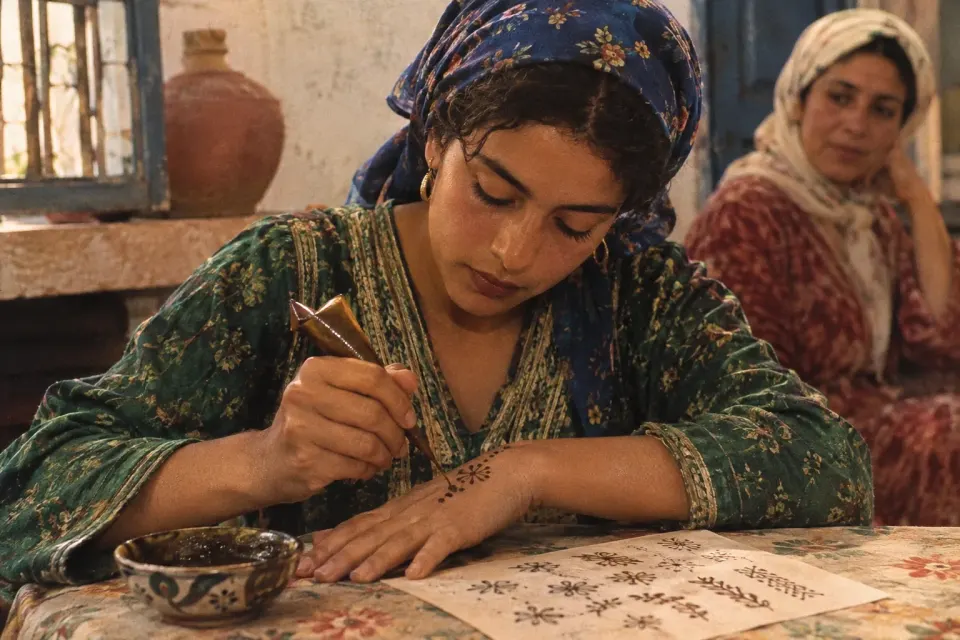
Pure henna, a rested paste, a fine cone and three Moroccan shapes a beginner can draw: how to paint your hands at home and keep the color.
For you if Eid, a wedding or a girls' night is coming, you want henna on your hands, and there is no henna artist near you.
Moroccan henna looks like lace, but it is built from three things: a line, a dot and a small diamond. In Morocco the woman who draws it is called the neqqasha, and she arrives with a bowl of l-henna, the ground leaf of Lawsonia inermis stirred into a green-brown paste, on the evening the women gather.
You do not need her steady hand to start. You need a pure powder, a paste that has rested for hours, a fine cone and the patience to leave it on. Here is the home version, from the bowl to the color two days later.
In the United States, indoor heating pulls water from the skin in winter: apply your care while your face is still damp, and be a little more generous in the cold months.
In Morocco, henna comes out for weddings, Eid and a birth. The night before a wedding belongs to the women: on lilaat l-henna, the henna night, they gather around the bride, someone sings, and hands and feet are decorated one after the other while the tea goes round. The color is believed to carry baraka, a blessing. It is less a beauty treatment than a way of saying that something good is about to happen, which is why the evening itself is the ritual and the henna is only the reason everyone came.
Henna is slow twice. The paste needs hours of rest in the bowl to release its dye, and then hours on the skin to give it. The stain sits in the very surface of the skin. It starts out orange, deepens over a day or two into a warm brown, and fades little by little as the skin renews, usually within one to two weeks. It is always darkest on palms and soles, where the skin is thickest, and lighter on the backs of the hands. That is why Moroccan women do their henna two days before the celebration, not the night before.
Natural henna gives orange, then brown, and nothing else. A paste that stains black in an hour has something added to it, and that is the one a Moroccan grandmother leaves on the shelf. In some countries, including the United States, henna is approved as a hair dye and not for direct use on the skin, so use only pure natural henna, never “black henna”, and try a small spot first.
Step 1
In a glass bowl, stir about two tablespoons of pure henna powder with warm water, a squeeze of lemon juice and a pinch of sugar until it is as smooth as thick yogurt, with no lumps. A few drops of ma ward, rose water, are the Moroccan touch for the scent. Cover the bowl and let it rest: a few hours at least, overnight if you can. Mix in the afternoon for the evening, or the day before.
Product for this step
Floral water · Amazon.com
0 reviewsStep 2
While the paste rests, put a dot the size of a lentil on the inside of your wrist. Leave it half an hour, flake it off and watch the spot until the evening. A pale orange mark on calm skin means you are ready.
Step 3
Invite a sister, a cousin, your closest friends. Put on music, set out tea and sweets, and lay an old towel where you will sit. Wash and dry your hands well, with no cream on them: cream keeps the dye out. Do anything that needs your hands before you start, because they will be busy for hours.
Step 4
Fill a small cone and cut the finest tip you can. Practice the three shapes on paper first, with the same cone. Then start with a band of two lines around one finger, a row of dots between them, and one diamond on the back of the hand. If you are right-handed, draw on your left hand first; let a friend do the other. For the feet, a line around the ankle and dots toward the toes are enough. Simple is beautiful: Moroccan designs love geometry.
Step 5
The longer the paste stays, the deeper the color, which is why henna is an evening affair. Keep your hands warm, hold your tea glass with your fingertips, and let the paste dry and begin to flake by itself. Two hours is the minimum; several hours is better.
Step 6
Scrape the dry paste off with the back of a spoon, then rub the last flakes away with a drop of zit argan, argan oil. No water until tomorrow: twelve hours if you can. The color is orange tonight. Go to bed and let it deepen.
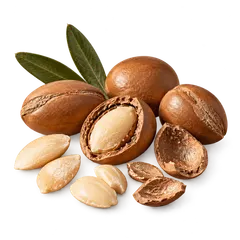
Product for this step
Oil · Amazon.com
0 reviewsA small tip: if a line goes wrong, lift it at once with the corner of a damp cotton pad. Henna forgives the first minute.
On the first day, a little oil or rose water smoothed over the design keeps it looking rich. For the next few days, rub a drop of oil on your hands before each wash and before the dishes. The stain stays longest where you wash and scrub least, so keep the kessa mitt away from your hands this week.
Doing it the night before. The color is at its deepest on the second and third day, so the night before gives you orange hands in the photos.
Washing the paste off. Water stops the color where it is. Scrape, oil, and wait.
A paste that is too runny or too fresh. Runny paste spreads into blurry lines; paste that has not rested gives a pale stain.
Starting too ambitious. A whole hand of lace on the first try ends in smudges. Three shapes, well spaced, look finished.
Expecting black, or trusting a cone that promises it. Henna is orange, then brown.
Read the label: it should say Lawsonia inermis and nothing else. A good powder is very fine, green to khaki, and smells of hay or cut grass. Fine matters twice here, because a coarse powder blocks the tip of the cone. Check that the pack is recent and well sealed; old henna that has turned brown in the bag gives little color.
What to refuse: anything called black henna, a ready-made cone with no ingredient list, a paste that promises color in minutes, and powders sold in several shades. One plant gives one color.
A Bodywhatever™ selection: Moroccan care you can buy in the United States.
As an Amazon Associate we earn from qualifying purchases. Purchases, payment, delivery and returns are handled by the seller or marketplace, not Bodywhatever™. Prices and availability can change.
Use suitable products you already own. This selection may not cover every step; open CareFinder to apply your budget and label preferences.
Our pick
Best for: a pure face mist
Floral water · Skin
 Find it on Amazon
Marketplace: Amazon.com

Our pick
Best for: a first bottle of pure argan oil
Oil · Skin · Hair · Body
Find it on AmazonMarketplace: Amazon.com
Common questions
At least two hours, and several if you can. The longer the paste stays on warm skin, the deeper the color.
Orange at first, then a warm brown after a day or two. Natural henna is never black.
Usually one to two weeks. It fades as your skin renews, and faster on hands that are washed often.
Two days. The color is at its deepest on the second and third day.
Rest the paste, keep your hands warm, leave it on for hours and keep water away for the first twelve. After that, a drop of oil before each wash.
No. Natural henna cannot stain black, so a black paste contains something else. Choose a powder whose only ingredient is henna.
Only if the label says Lawsonia inermis and nothing else, and the powder is fine enough to pass through a cone. Sift it through a fine cloth if it is not.
In the United States you can order it on Amazon. Bodywhatever™ keeps a short selection of what can be delivered there, so you do not have to search through hundreds of listings. Open it here:
You
Bodywhatever™
Henna makes a celebration feel special. Here is the Moroccan way, with a girls’ night built in.

Bodywhatever™ · CareFinder
Tell us about your hair or skin and your current habits. CareFinder explains where Moroccan ingredients fit and puts together care steps, with product options in the United States.
Find my care planFree · Email code · Saved in My Bodywhatever™
Make money with Bodywhatever
Create your bwe page for free. Share your routines, add your Amazon links and earn when people buy what you recommend.
Free. Takes 5 minutes. Sign in with an email code, no password.

Turn your wash day, skin night or hammam ritual into simple steps.
Pick the products you really use and add your own affiliate links.
Put one link in your bio and see your page views and product clicks.