Moroccan ingredients
How to Soften Dry Skin Overnight: The Moroccan Prickly Pear Seed Oil Ritual
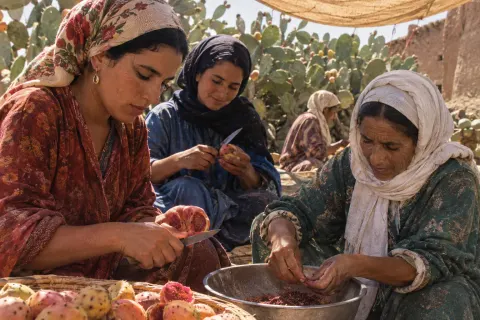
Two or three drops of zit l-hindia on damp skin at night: the Moroccan way to use prickly pear seed oil, and how to tell a real bottle.
Read the storyBody Notes Journal
Notes on Moroccan beauty traditions and their place in the everyday lives of women in Southeast Asia. Stories, perspectives and ideas connecting culture with your day.
Moroccan ingredients
Two or three drops of zit l-hindia on damp skin at night: the Moroccan way to use prickly pear seed oil, and how to tell a real bottle.
Read the story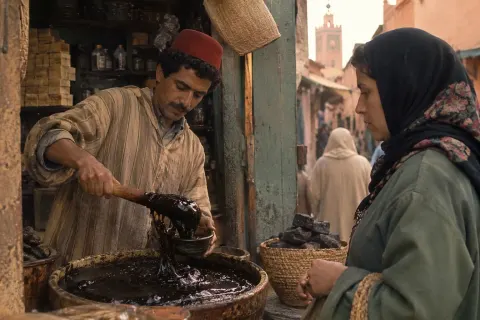
Moroccan care at home
Rough elbows, knees and heels? Use Moroccan black soap the way Morocco does: warm skin, a thin film, a full rinse, then the kessa mitt.
Read the story
Editor's note
You can explore Moroccan care without replacing the products that already suit you. Choose a gesture that fits your day, then learn where it comes from.
Read the story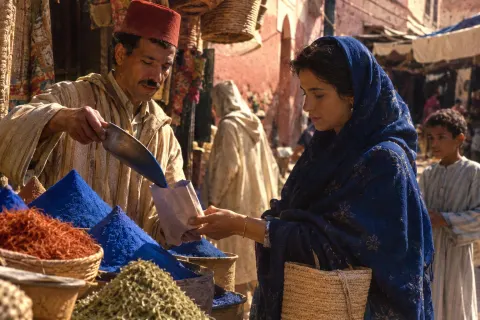
Moroccan ingredients
You have seen the blue powder everywhere. Here is what nila is, how Moroccan women use it in the hammam, and how to try it your first time.
Read the story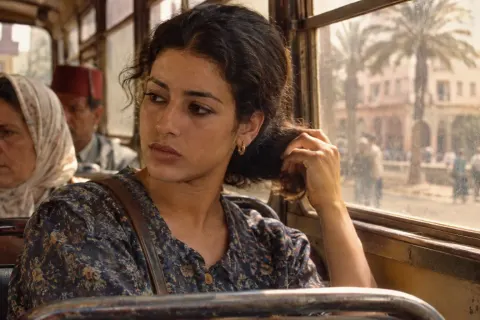
Everyday hair care
Oily at the roots and dry at the ends is common in warm weather, especially under a headscarf. Here is where argan oil goes, how many drops to use, and where to leave it off.
Read the story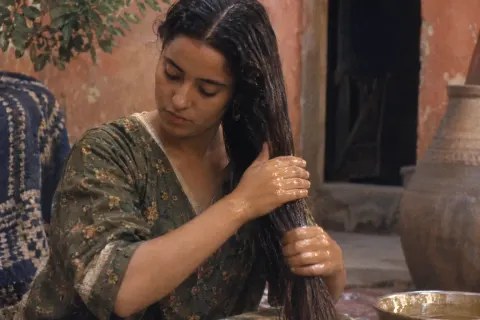
Everyday hair care
The Moroccan ingredient has a finishing role. Your shampoo still has its own job.
Read the story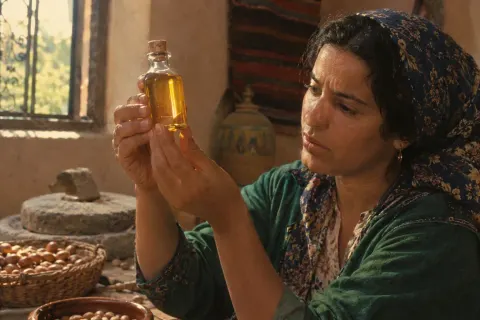
Before you buy
Pure oil, hair serum and argan shampoo should not be compared as if they were the same thing. A practical label check before you choose a Moroccan-inspired beauty product.
Read the story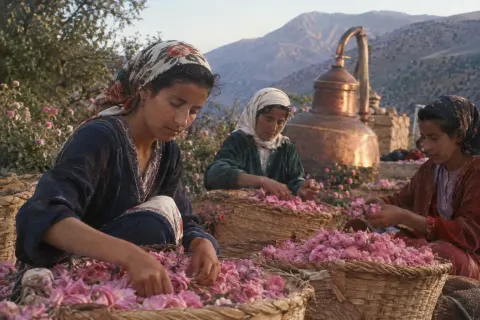
Moroccan ingredients
Ma ward, real Moroccan rose water, wakes a tired face in a few gestures. Here is the order, the amounts, and how to tell a real bottle from perfume.
Read the story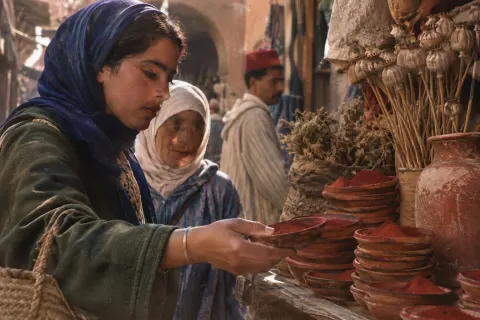
Moroccan ingredients
Aker fassi is a red stain you wake with a damp brush from a small clay dish. How to build it on lips and cheeks, and how to spot an authentic pot.
Read the story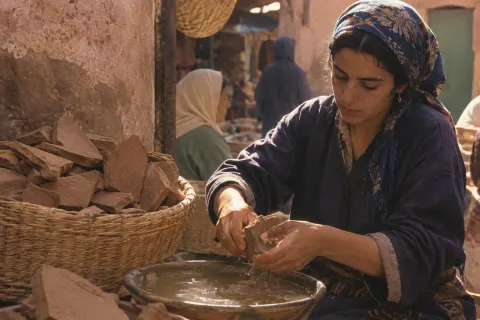
Moroccan care at home
Rhassoul (ghassoul) is the Moroccan clay that washes hair, face and body without foam. How to mix it, how long to leave it on, and how to rinse it soft.
Read the story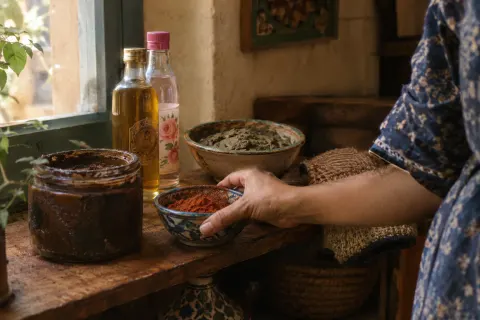
Ingredients & traditions
Nine Moroccan ingredients, what each one really does, who needs it and who can skip it. Start with one, not with a set.
Read the story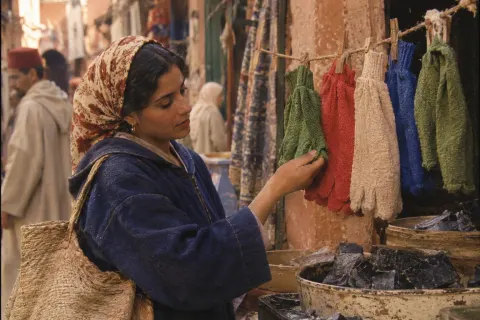
Making sense of body care
Black soap softens, the kessa lifts, a scrub rubs with grains. What each one does, which one you need, and why never all three in one shower.
Read the story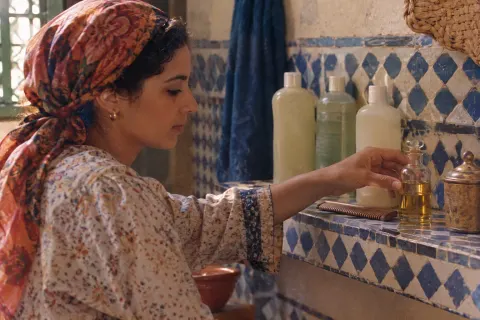
Understanding your hair products
A leave-in brings water and slip. Argan oil seals them in and adds shine. How to tell which one your hair is asking for, the Moroccan way.
Read the story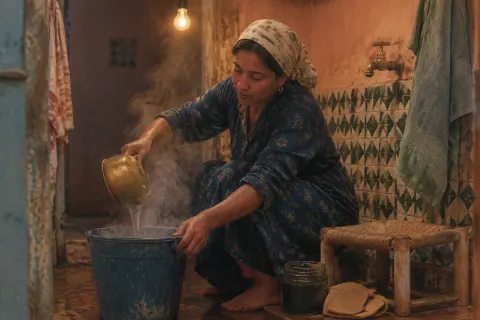
Moroccan care at home
You do not need a marble steam room. Here is the order of a Moroccan hammam you can copy in an ordinary bathroom, what to buy first, and what you can skip.
Read the story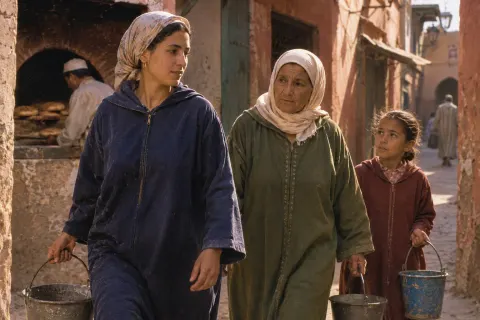
Moroccan traditions
What to keep when bringing a Moroccan bathing tradition into your own bathroom.
Read the story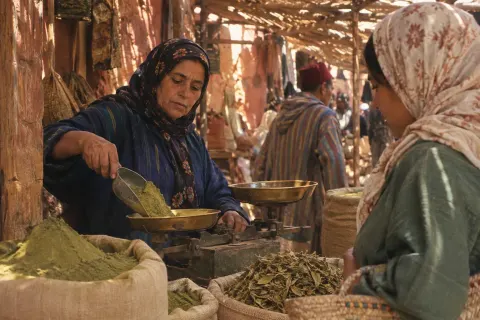
Moroccan ingredients
Henna is known from weddings in many cultures. In Morocco, it is also a hair ritual and the centre of the bridal henna night. Here is how Moroccan women use it, how to colour and condition hair with it, and why you must avoid black henna.
Read the storyMake money with Bodywhatever
Create your bwe page for free. Share your routines, add your Shopee links and earn when people buy what you recommend.
Free. Takes 5 minutes. Sign in with an email code, no password.

Turn your wash day, skin night or hammam ritual into simple steps.
Pick the products you really use and add your own affiliate links.
Put one link in your bio and see your page views and product clicks.