Oil · indoplant
0 reviewsIngredients & traditions
Nine Moroccan ingredients, what each one really does, who needs it and who can skip it. Start with one, not with a set.
 By Fatima AmgharMoroccan beauty editor at Bodywhatever™
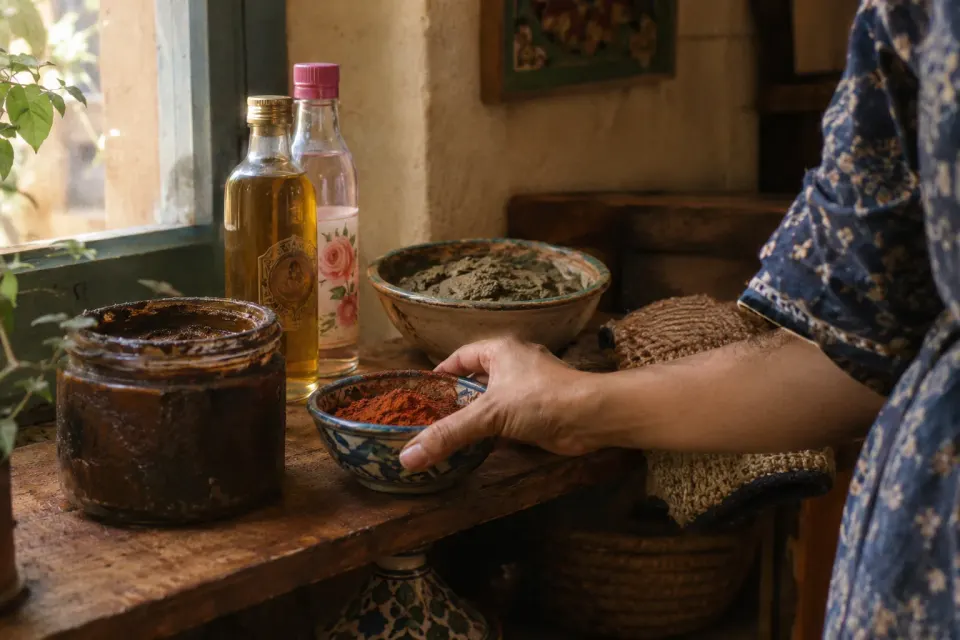
A Moroccan woman does not own nine products because a shop sells them as a set. She owns the ones her week asks for: saboun beldi and a kessa for hammam day, a bottle of zit argan, ma ward by the sink, and perhaps henna in a cupboard for the days that call for it. Each one has a single job. None is bought to complete a collection.
So before you buy anything, here is each Moroccan ingredient in a few lines: what it is, what it does, who really needs it and who can skip it. Start from the day you are having, not from the list.
Saboun beldi, Moroccan black soap, is a dark, soft olive paste that softens the skin under warm water before anything else happens. You need it if rough elbows and knees or a dull-feeling body are your complaint, or if you want the hammam at home. Skip it if a quick shower with a wash you already like is all you ask for.
L-kissa, the kessa, is the rough viscose mitt that comes after the soap has been rinsed, and rolls dead skin off once a week. You need it if you have the black soap and ten minutes of warm water. Skip it if your skin reddens easily: the soap alone is not a lesser version.
Rhassoul (ghassoul), which Moroccans call l-ghassoul, is a mineral clay from the Atlas. Mixed with water into a soft paste, it washes hair and skin without foam and is rinsed while still soft. You need it if your scalp or your face turns oily fast and you like the idea of a weekly clay. Skip it if your skin and hair are on the dry side.
Zit argan, argan oil, is pressed from the kernels of a tree that grows only in the southwest of Morocco. It is the finish: two drops on damp ends, three on a damp face, a few on the body after the bath. It holds softness in and adds no water. Almost everyone finds a use for it, and if you buy a single Moroccan thing, this is the one. Skip it only if you already love your face oil and your hair serum.
Ma ward, rose water, is the water left from distilling damask roses, misted on a clean face before the cream or the oil. It refreshes and leaves the skin damp for the next step. You need it if your face feels tight after washing or hot by the afternoon. Skip it if you have a simple hydrating toner you like: it is a pleasure, not a necessity.
Zit l-hindia is pressed from the tiny seeds of the cactus fruit, and it takes so many that a real bottle is small and never cheap. It is lighter than argan and used by the drop, on the face at night and around the eyes. You need it if you want a very light night oil and the price is not the question. Skip it if you already own argan: for most skin, argan does the job for far less.
L-henna is a dried leaf ground into a green powder and mixed into a paste. On hair it leaves a warm copper that does not wash out; on hands it is the stain of lilaat l-henna, the henna night. You need it if you want to cover gray naturally and you like copper. Skip it if you want brown or black in one step, or if you change your hair color often.
Nila is the blue powder of the Moroccan south, stirred in small amounts into a rinse-off mask before a celebration, for skin that looks fresher. What is sold under this name varies a great deal, so here the label matters more than anywhere. You need it if you enjoy a weekly mask and want to try a Moroccan one. Skip it if your skin is sensitive, or if the jar shows no ingredient list.
Aker fassi is the red of Fes: poppy petals and pomegranate dried onto a small clay dish, woken with a damp brush to stain lips and cheeks. You need it if you like color that looks like your own. Skip it if you prefer a creamy lipstick, or a shade that is not red.
Perhaps you have just come home after a long day, or you are getting ready to go out, or you want a slower bath on the weekend. These are different moments, and they do not need the same thing. A tight face tonight is rose water and a drop of oil. Rough skin and a free hour on Sunday is black soap and the kessa. Frizzy ends every afternoon is argan. Name the moment first, then take the one ingredient that belongs to it.
Keep the cleanser, the shampoo or the moisturizer you know when it already suits you. A Moroccan ingredient is a considered addition, not a reason to replace everything. Learning how a gesture works comes before another purchase.
Bring in one ingredient and live with it for a few weeks before the next. You will know what it did, and whether your skin or your hair enjoyed it. The hammam links several of these in a sequence, but the sequence is not an obligation to buy all of it on the first day.
Buying the set. A box of nine looks generous and leaves six jars drying out in a cupboard.
Asking one to do another's job. Black soap cleanses, rhassoul is a clay you rinse away, argan is a finish. They are not interchangeable, and an oil will never wash anything.
Trusting the word Moroccan. Argan belongs to a tree and a tradition in southwest Morocco, but a shampoo with argan in it is not automatically made there. Where the ingredient comes from, where the product was made and where the seller is are three separate facts.
Comparing prices across different things. Compare an oil with an oil of the same kind and the same size. Without the weight or the volume, the smaller jar always looks cheaper.
The Moroccan rule is the same for all nine: short lists. A real oil is one line, Argania spinosa kernel oil for argan, Opuntia ficus-indica seed oil for prickly pear. Rose water is Rosa damascena flower water and little else. Rhassoul is just the clay. Henna is Lawsonia inermis, and a jar labeled black henna is something else. Saboun beldi is built on olive. Aker fassi names its poppy and its pomegranate.
Refuse the same things everywhere: heavy perfume, colorants, a list as long as a paragraph, and a price far too low for what the label claims. Check the size, the directions and who made it before you look at the price. Each ingredient has its own page here, with the full checks a Moroccan grandmother would make before she paid.
A few products that fit this story. You do not have to buy anything: check the ingredients, price and delivery on the seller’s page.
Oil · indoplant
0 reviews
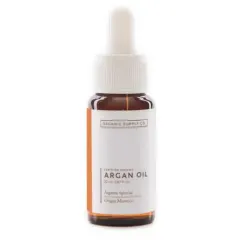
Oil · Toko Organic Bandung
0 reviews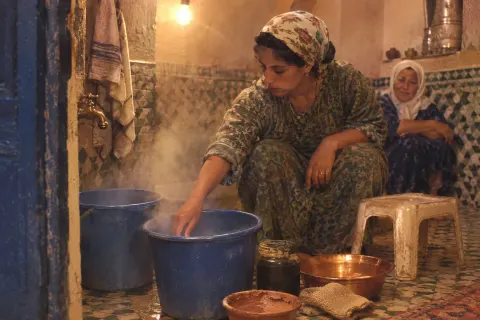 30 minutes
Ritual & routine · Bath & Body
Thirty unhurried minutes: warm water, black soap, ghassoul if you like, and argan oil to finish.
Botanical ingredient
39 products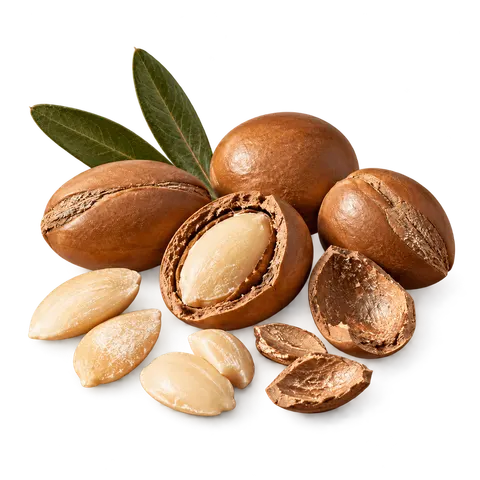
Mineral ingredient
3 products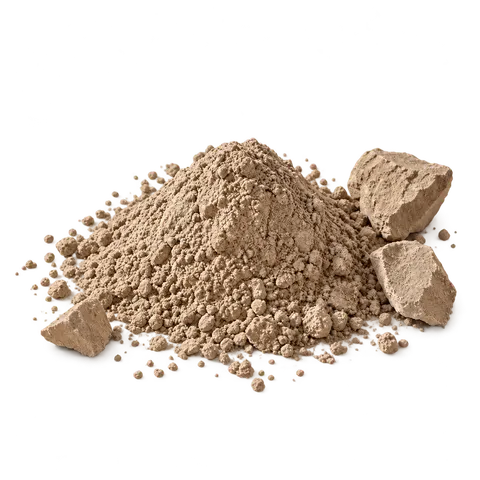
Care preparation
6 products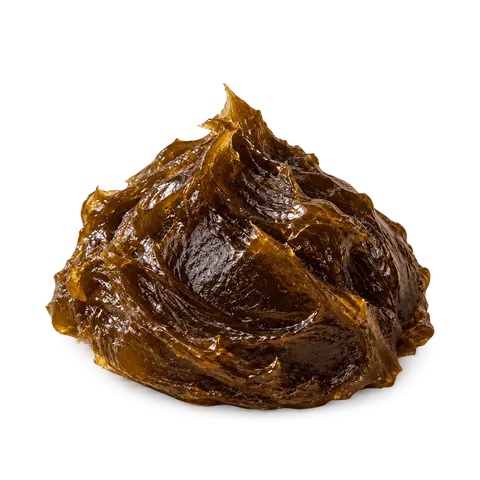
Care preparation
7 products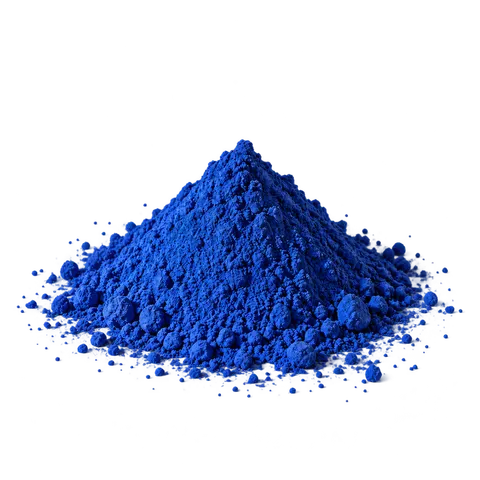
Common questions
Argan oil, for most women. One small bottle finishes the hair, the face and the body, and you use it by the drop. If rough skin is your main complaint, start with black soap and a kessa instead.
Black soap cleanses and softens, rhassoul (ghassoul) is a rinse-off clay, nila is a powder for masks sold in several blends, and argan is a finishing oil. They are not interchangeable.
No. Black soap and a kessa are the heart of it. Rhassoul, rose water and argan oil are lovely additions you can bring in later, one at a time, or replace with a lotion you already own.
Argan first. It is the everyday Moroccan oil, for hair, face and body. Prickly pear seed oil is lighter and much rarer, kept for the face at night. It is a second bottle, not a first one.
No. The ingredient or the tradition can be Moroccan while the product is made elsewhere. Check the origin of the ingredient and the country of manufacture separately for each product.
Yes, and that is the best way to begin. Keep your cleanser, shampoo and moisturizer, and add one Moroccan gesture where it fits: rose water after washing, a drop of oil at the end.
Compare only products with the same format and the same role, then look at weight or volume, the ingredient list and the final price. A pure oil and a serum with a little oil in it are not the same purchase.
In Indonesia you can order it on Shopee. Bodywhatever™ keeps a short selection of what can be delivered there, so you do not have to search through hundreds of listings. Open it here:
Body Notes Journal
Discover Moroccan beauty traditions, learn how to use the ingredients and find products available locally.
By subscribing, you agree to receive these emails. You can unsubscribe at any time.
Make money with Bodywhatever
Create your bwe page for free. Share your routines, add your Shopee links and earn when people buy what you recommend.
Free. Takes 5 minutes. Sign in with an email code, no password.

Turn your wash day, skin night or hammam ritual into simple steps.
Pick the products you really use and add your own affiliate links.
Put one link in your bio and see your page views and product clicks.