Product for this step
Powder · Amazon.com
0 reviewsMoroccan ritual & routine · Step by step
Blue nila powder mixed with rose water: a thin mask, five minutes, a long rinse, and skin that looks fresh and even. How to use it on face and body.
 By Fatima AmgharMoroccan beauty editor at Bodywhatever™
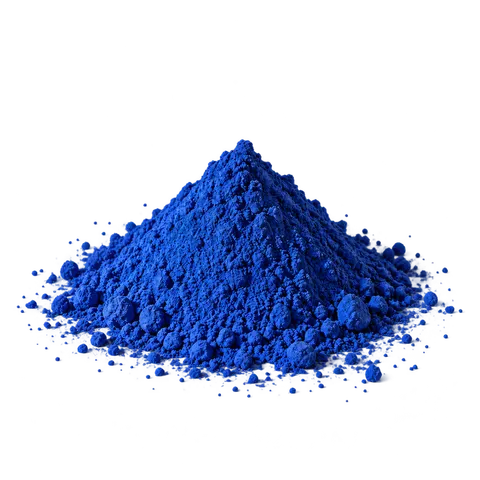
 Blue nila
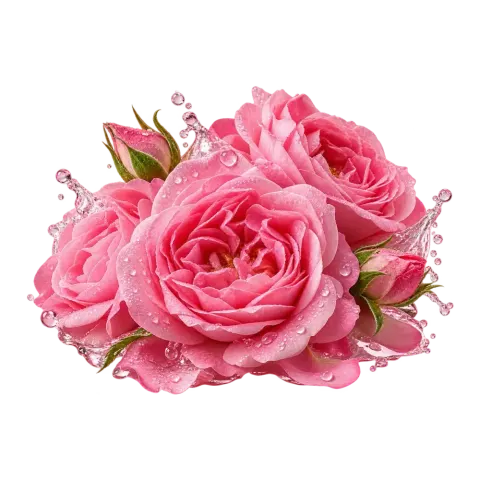
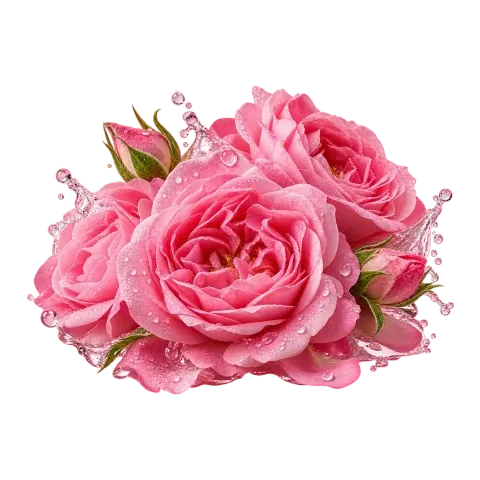
 Moroccan rose water
3 product listings on Amazon
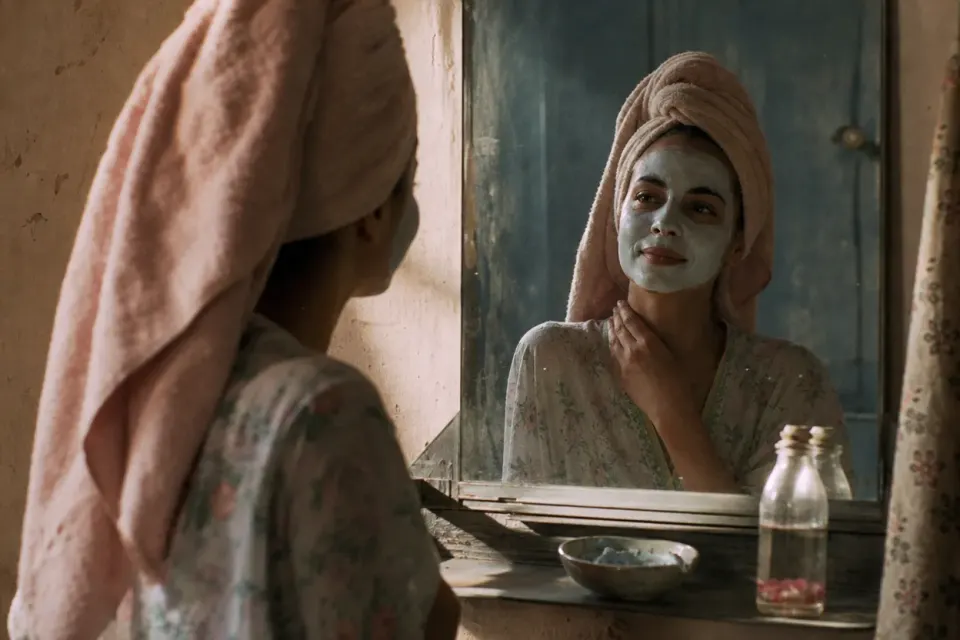
Blue nila powder mixed with rose water: a thin mask, five minutes, a long rinse, and skin that looks fresh and even. How to use it on face and body.
For you if you have seen the blue mask of Moroccan brides and want to try it gently, knowing what it does and what it does not.
Nila is the blue powder you see in Moroccan souks, in small bags next to the ghassoul and the saboun beldi. In the south, brides wear it as a mask in the days before the wedding: a pinch stirred with ma ward, rose water, into a pale blue cream, a thin layer, five minutes, a long rinse. The skin comes out looking fresh and even for a few days.
It does not change the color of your skin, and anyone who promises that is selling something else. Here is the gentle way to use it, on the face and on hammam day.
In the United States, indoor heating pulls water from the skin in winter: apply your care while your face is still damp, and be a little more generous in the cold months.
Moroccan women take nila to the hammam, above all in the south and before a celebration. It is used by the pinch: stirred into a mask for the face, or worked into black soap for the body. Think of it as the pampering step of the session. The paste feels cool and silky, it rinses away completely, and a pinch is all it takes. More powder does not do more; it only takes longer to rinse.
You will read a great deal about nila and a lighter complexion. We would rather tell you only what we know. After a nila mask the skin looks fresher and more even for a few days, the way it does after a good night's sleep. On hammam day, what you see is the glow of skin that has been warmed, cleaned and cared for. That is the brightness on this page: your own tone, looking rested. Nothing here lightens skin.
What is sold as nila changes from one maker to another. Some sellers describe a mineral powder from the Sahara; others, ground indigo leaf, Indigofera tinctoria, the plant behind natural indigo dye. The ingredient list tells you which one you are holding. This is why Moroccan women meet a new nila on a small patch of skin first. It takes five minutes, and then you know.
Step 1
Wet a tiny pinch of nila and dab it on the inside of your forearm. Leave it a few minutes, then rinse. Look at the color it leaves, and notice how your skin feels for the rest of the day. Calm and comfortable means you are ready for the mask.
Step 2
Wash your face with a mild soap and lukewarm water, ideally after a warm shower, when the steam has already softened your skin. Moroccan facial soaps made with nila or aker fassi are meant for exactly this moment. Pat dry and tie your hair back; put an old towel on your shoulders.
Product for this step
Powder · Amazon.com
0 reviewsStep 3
In a glass or ceramic bowl, because nila can mark plastic, stir half a teaspoon of powder with rose water, a few drops at a time, until you have a smooth, pale blue cream with no dry grains. Rose water is the scent of every Moroccan hammam. With a ready-made nila mask, simply stir it: it already contains its nila, so you add nothing.
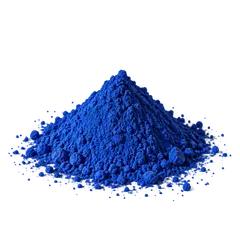
Product for this step
Powder · Amazon.com
0 reviewsStep 4
Spread a thin, even layer with your fingers, forehead and cheeks first, keeping away from the eyes, the lips and the hairline. Sit down for five minutes. Rinse before it dries: when the edges start to turn paler, that is your signal.
Product for this step
Powder · Amazon.com
0 reviewsStep 5
Rinse with lukewarm water and small circles of your palms until the water runs clear and no blue is left at the hairline or beside the nose. Pat dry with the old towel. Mist with ma ward and press two drops of zit argan, argan oil, into the damp skin. Then look in the mirror in daylight.
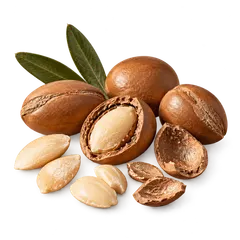
Product for this step
Oil · Amazon.com
0 reviewsA small tip: start with less nila than you think. You can always add a few grains; you cannot take them out of the bowl.
This is the traditional use. After five to ten minutes of warm water, stir a pinch of nila into a teaspoon of saboun beldi with a few drops of warm water, one teaspoon at a time. Turn the water off, spread the pale blue paste thinly from the shoulders down and leave it a few minutes. Wet your kessa mitt, squeeze it out and rub lightly in long strokes, arms toward the shoulders, legs toward the hips. Lightly is the word: the mitt should glide.
Rinse slowly until the water runs completely clear, pat dry and moisturize within three minutes, while your skin is still a little damp. A ready-made nila soap replaces the mix, at the same moment: after the warmth, before the kessa.
It can happen around the nails, the elbows and the knees, where skin is thicker. A second wash with soap and warm water takes it away. Rinse the shower floor at the same time, and wash the kessa and the bowl right after: nila comes off easily while it is fresh. It holds on to towels far longer than to skin, which is why the old towel is on the list.
Too much powder. A real pinch between two fingers colors a whole teaspoon of soap, and a pale paste rinses away much faster. With nila, more blue is not more beautiful.
Letting the mask dry on the face, or using it more than once a week. A short time and a good rinse are all it needs.
Trying it for the first time the night before a big day. Do it two days ahead, with a nila you already know.
Expecting a lighter skin color, or adding powder to a soap or mask that already contains nila.
Choose a nila that tells you what is in it. A full ingredient list, short enough that you recognize most of it, a maker's name and photos from women who have really used it are worth more than a beautiful blue in the picture. If the pack carries a registration number, even better: someone has declared what is inside. Powder is the traditional form and lets you add your own pinch; a soap or a ready mask is the easiest start, because the amount is already measured. Begin with a small pack.
What to refuse: a bag with no ingredient list, the words whitening or lightening on the label, and before-and-after pictures that show another skin color.
A Bodywhatever™ selection: Moroccan care you can buy in the United States.
As an Amazon Associate we earn from qualifying purchases. Purchases, payment, delivery and returns are handled by the seller or marketplace, not Bodywhatever™. Prices and availability can change.
Use suitable products you already own. This selection may not cover every step; open CareFinder to apply your budget and label preferences.
Our pick
Best for: a body mask after the hammam scrub
Powder · Skin · Body
 Find it on Amazon
Marketplace: Amazon.com

Our pick
Best for: a natural tint for lips and cheeks
Powder · Skin
Find it on AmazonMarketplace: Amazon.com

Our pick
Best for: a first bottle of pure argan oil
Oil · Skin · Hair · Body
Find it on AmazonMarketplace: Amazon.com
Common questions
No. It does not change your skin color. After a mask the skin looks fresher and more even for a few days, and that is all.
By the pinch. For the face, half a teaspoon with rose water as a five-minute mask. For the body, a pinch in a teaspoon of black soap on hammam day, before the kessa.
Skin that feels smooth and very clean, and a face that looks rested and even for a few days. Your skin tone stays your own. Let your mirror decide, not a seller's photo.
Only if you use too much or rinse too little. A faint blue veil can stay for a moment on thicker skin, and a second wash with soap removes it.
Once a week at most, on the face or on hammam day. Before a big day, two days ahead.
It depends on the product. Some sellers describe ground indigo leaf, others a Saharan mineral. The ingredient list tells you.
A soap or a ready mask is the easiest start, because the amount is measured for you. Powder is the traditional form, for the day you want to mix your own pinch.
In the United States you can order it on Amazon. Bodywhatever™ keeps a short selection of what can be delivered there, so you do not have to search through hundreds of listings. Open it here:
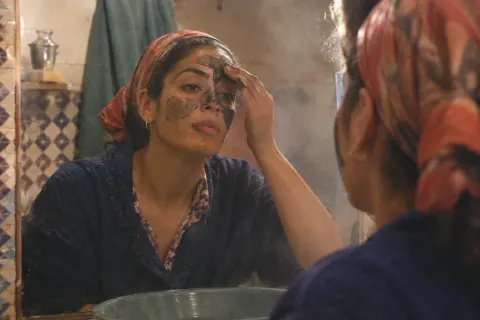 5 minutes
Ritual & routine · Skin Care
Yes, gently: a pea of Moroccan black soap on the T-zone, one minute, once a week, no kessa. How it is done above the neck, and who should skip it.
You
Bodywhatever™
Brightening is one of the most searched skin goals. Here is a hammam favourite that fits right in.
You
Bodywhatever™
Three formats, one idea. Here is how to pick the one that fits your routine.

Bodywhatever™ · CareFinder
Tell us about your hair or skin and your current habits. CareFinder explains where Moroccan ingredients fit and puts together care steps, with product options in the United States.
Find my care planFree · Email code · Saved in My Bodywhatever™
Make money with Bodywhatever
Create your bwe page for free. Share your routines, add your Amazon links and earn when people buy what you recommend.
Free. Takes 5 minutes. Sign in with an email code, no password.

Turn your wash day, skin night or hammam ritual into simple steps.
Pick the products you really use and add your own affiliate links.
Put one link in your bio and see your page views and product clicks.