Product for this step
Soap · Amazon.com
0 reviewsMoroccan ritual & routine · Step by step
How to use a Moroccan kessa glove: after steam and black soap, on wet skin, once a week, so dead skin rolls off and your skin stays calm.
 By Fatima AmgharMoroccan beauty editor at Bodywhatever™
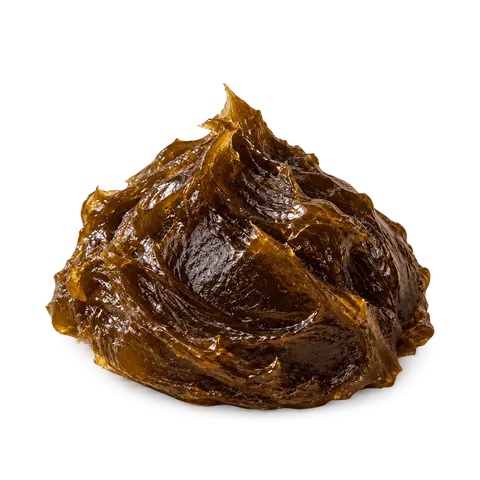
 Moroccan black soap
2 product listings on Amazon
How to use a Moroccan kessa glove: after steam and black soap, on wet skin, once a week, so dead skin rolls off and your skin stays calm.
For you if you bought a kessa glove, or want one, and your skin ends up either red or no smoother than before.
The kessa — l-kissa — is a rough viscose mitt, not a loofah and not a Korean towel, though people compare them. In the hammam it comes after steam and saboun beldi, never before, and never on a dry body.
Used properly, dead skin rolls off in little grey threads. Used too hard, or on a face, or every day, it leaves you red. Here is how Moroccan women actually use it, and how often.
In the United States, cold months and hot showers leave shins and elbows dry: keep the oil for the first minute after the shower.
In a Moroccan hammam nobody reaches for the kessa first. You sit in the warm room, you pour hot water over yourself, and you wait. Then comes saboun beldi, the soft dark olive paste known as Moroccan black soap, spread in a thin film and left for a few minutes. Only after it is rinsed away does the mitt come out.
The order has a reason. Steam and warm water swell the top layer of skin. The soap softens it further. The kessa does not cut or sand anything: its crinkled weave simply grips what is already loose and rolls it away. On dry skin there is nothing loose to grip, so the mitt scratches. On soapy skin it slides and catches nothing, so you press harder, and that pressure is what leaves you sore.
The hammam is a weekly appointment in Morocco, not a daily shower. The kessa follows the same rhythm. Skin needs days to build up something worth removing; scrub again too soon and the mitt meets fresh skin instead of dead skin. That is where the redness comes from. Between two hammam days, Moroccan women simply wash and moisturize.
A real kessa is a flat mitt with no fingers, woven from crinkled viscose, with an elastic cuff that holds it on the wrist. Dry, it feels grainy like fine sandpaper. Wet, it softens a little but still grips. A loofah is a dried plant sponge that works with lather. A nylon mesh glove is slippery by design. Neither rolls dead skin the way l-kissa does, which is why neither can replace it in this ritual.
You need a kessa glove, black soap and ten minutes of warm water before you start scrubbing.
Step 1
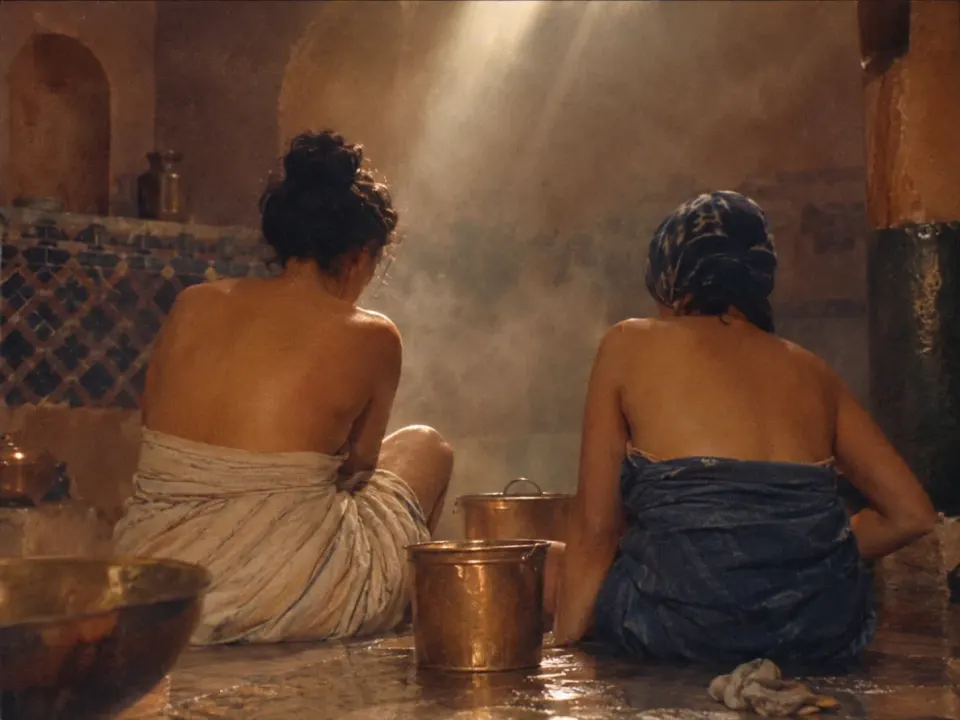
Close the bathroom door and run the hot water first, so the room fills with steam the way the warm room of a hammam does. Then stay under warm water, or in a warm bath, for a full ten minutes. Set a timer if you are impatient. This is the step people skip, and it decides everything that follows.
Step 2
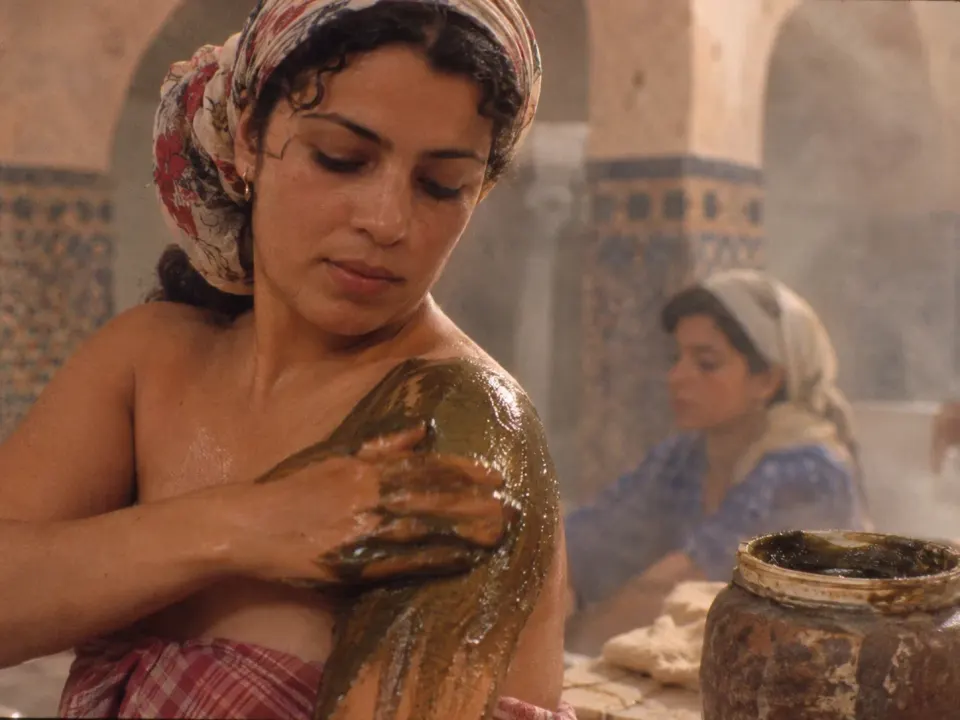
Turn the water off. Scoop a walnut-sized amount of black soap with your fingers, loosen it with a few drops of water in your palm, and spread it over damp skin from the neck down. It should look like a thin glaze, not a lather. Leave it for five minutes while you sit in the steam.
Product for this step
Soap · Amazon.com
0 reviewsStep 3
Rinse with warm water and run your hand over your arm: it should feel bare and wet, with no slip at all. Meanwhile, soak the kessa in warm water, then wring it so it is damp, not dripping. The mitt needs clean, wet skin to grip.
Step 4
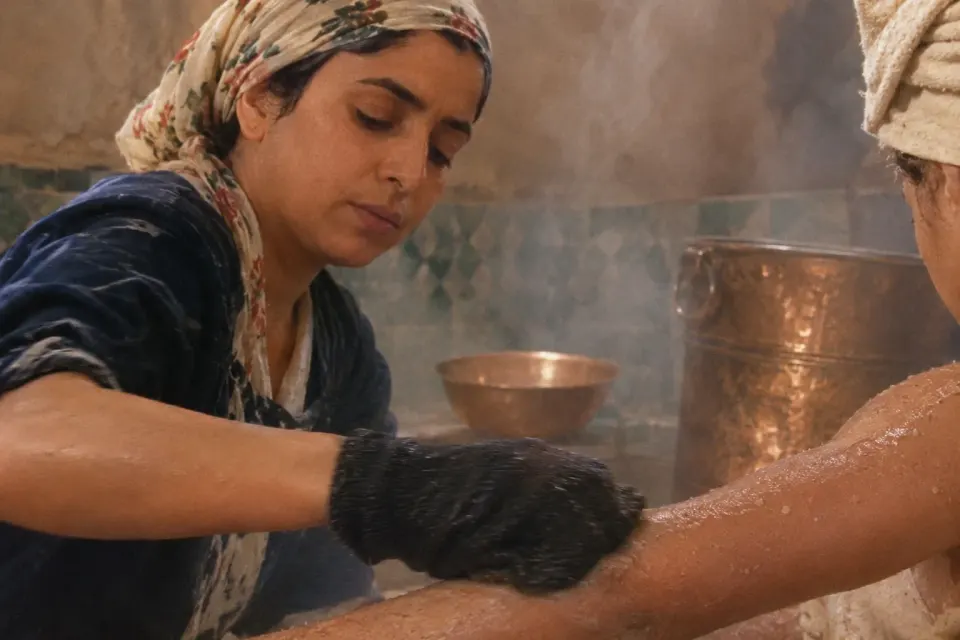
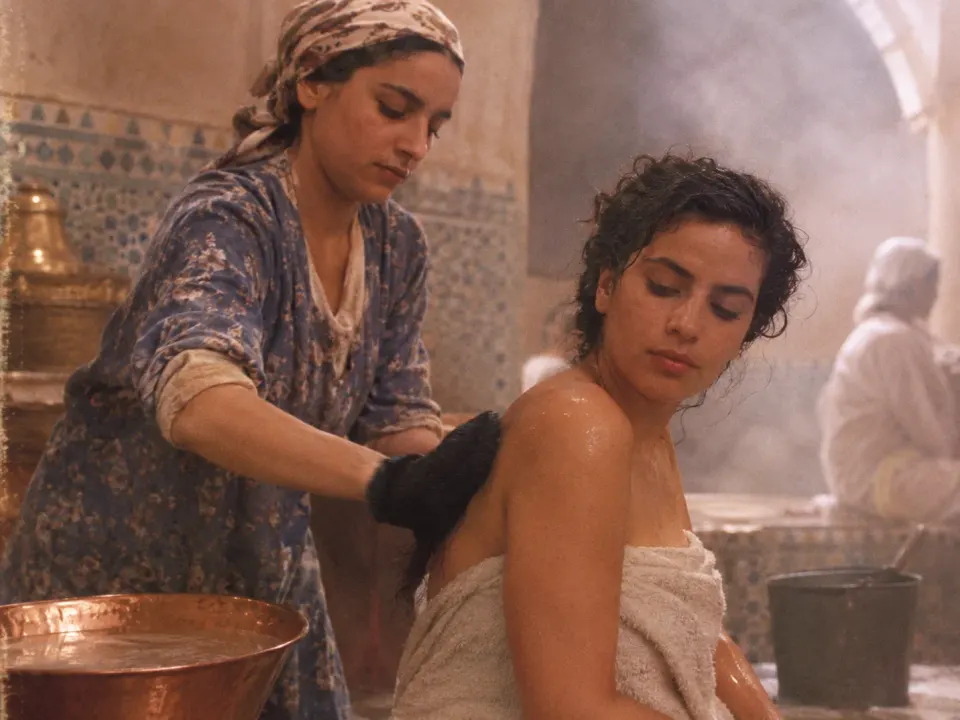
Slip your hand in flat and start with a forearm. Rub back and forth in long strokes, about the length of your hand, with the pressure you would use to erase pencil. Within a few strokes little gray rolls appear. That is your pressure. If nothing comes, do not press harder: wet the skin again and wait another minute.
Step 5
In the hammam, the woman who scrubs you is called the kessala, and she never rushes: one area, a splash of water, the next area. Do the same. Arms, then legs from ankle to thigh, stomach, and as much of your back as you can reach; in Morocco a sister or a friend does the rest. Elbows, knees and heels can take a firmer hand. The chest, the inner arms and the neck need a much lighter one. Keep each area to a few passes and move on once the rolls stop coming.
Step 6
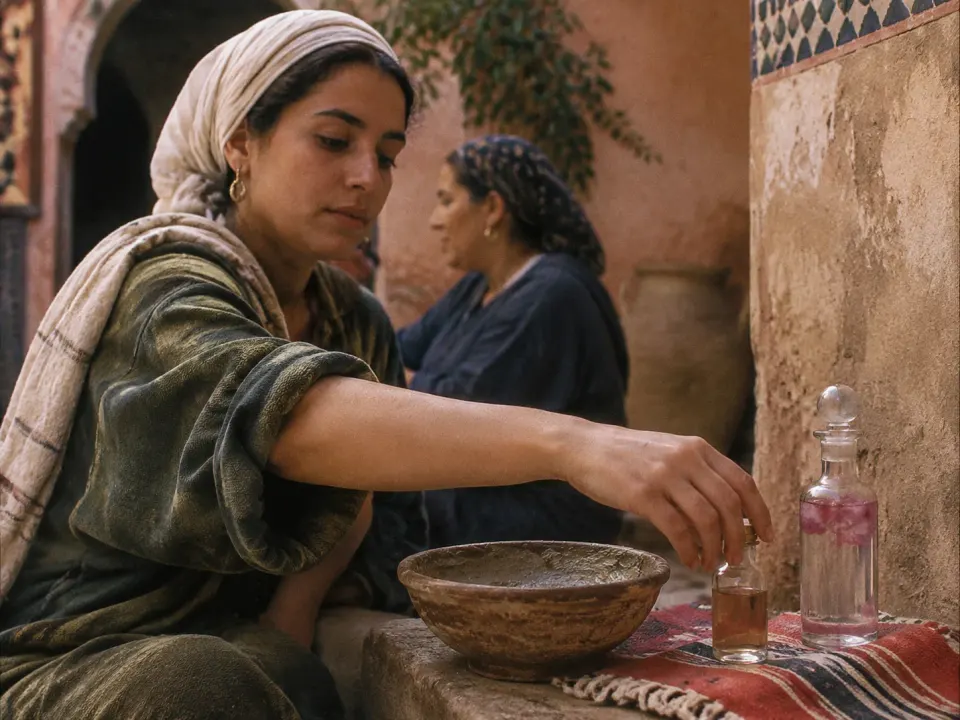
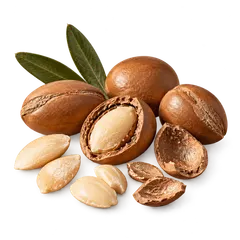
Rinse the threads away with lukewarm water, not hot. Pat yourself dry with a towel instead of rubbing. While your skin is still slightly damp, warm a few drops of zit argan (argan oil) in your palms and press it in, or use the body lotion you already own. Freshly scrubbed skin drinks it in.
Product for this step
Oil · Amazon.com
0 reviewsStep 7
Rinse the mitt under running water until no threads are left in the weave, wring it out, and hang it somewhere airy, outside the shower. A kessa that stays wet goes limp and stops gripping. Keep it for you alone; in Morocco every woman carries her own to the hammam.
A small tip: scrub two days before shaving or waxing, not on the same day.
Scrubbing over the soap. It is the most common one, and it gives you the worst of both: no rolls, and sore skin from pressing. Rinse first, always.
Using the kessa in a quick shower. Two minutes of water does not soften anything. If you do not have ten minutes to soak, keep the mitt for another day.
Going back over the same patch. Once an area stops giving rolls, it is done. More strokes only reach skin that is not ready to leave.
Scrubbing on the wrong day. Skip skin that is sunburned, freshly shaved or waxed, or already irritated, and let it settle first. Hot water straight after the scrub and a perfumed lotion can both sting, so finish lukewarm and plain.
The kessa is a body mitt. Leave your face to a soft washcloth or to a mask of l-ghassoul, the Moroccan clay better known as rhassoul (ghassoul), which lifts oil without any rubbing. On the neck and chest, one or two light passes are plenty.
Look for a flat mitt in woven viscose with a visible crinkled grain, double-stitched edges and an elastic cuff snug enough that it does not turn on your hand. Rub it dry on the inside of your wrist: you should feel a fine, even grit. Many makers offer a softer and a rougher weave. For a first kessa, or for skin that reddens easily, take the softer one; the rough weave is for women who have been going to the hammam for years.
Refuse shiny nylon mesh, terry cloth, knitted gloves with five fingers, and anything padded with sponge: they lather nicely and roll nothing. Refuse a mitt whose dye comes off on wet fingers. And check the partner too: real saboun beldi is a soft, dark paste with a short ingredient list built on olive, sometimes with eucalyptus. A bright, perfumed gel is a different product and will not prepare the skin the same way.
A Bodywhatever™ selection: Moroccan care you can buy in the United States.
As an Amazon Associate we earn from qualifying purchases. Purchases, payment, delivery and returns are handled by the seller or marketplace, not Bodywhatever™. Prices and availability can change.
Use suitable products you already own. This selection may not cover every step; open CareFinder to apply your budget and label preferences.
Our pick
Best for: a first hammam at home
Soap · Skin · Body
 Find it on Amazon
Marketplace: Amazon.com

Our pick
Best for: a first bottle of pure argan oil
Oil · Skin · Hair · Body
Find it on AmazonMarketplace: Amazon.com
Common questions
Once a week, like the hammam itself. If your skin reddens easily or feels tight afterward, every two weeks is enough. Never every day: the mitt needs dead skin to work on, and that takes days to build up.
No. The weave is made for the thicker skin of the body. For the face, Moroccan women use a soft cloth or a thin mask of l-ghassoul, rinsed while it is still soft.
They are cousins: both are viscose and both roll dead skin off soaked skin. The Korean towel is a small, thin square used after a long soak. The kessa is a thicker mitt with a cuff, and it belongs to a sequence: steam, saboun beldi, rinse, then scrub. If you already own a Korean towel, the same rules apply: wet skin, no soap left, once a week.
Firm but comfortable, like erasing pencil. Your skin may turn a little pink, and that fades within the hour. If it stings, you are pressing too hard or the skin was not soaked long enough.
Almost always for one of three reasons: the soak was too short, some soap or body oil is still on the skin, or the mitt is dripping wet. Rinse again, wring the kessa, and try long strokes on a forearm. A mitt worn smooth will not grip either.
You can, if you soak longer, about fifteen minutes in warm water, and rinse off any shower gel completely. The rolls will be fewer. Saboun beldi is what makes the scrub easy at a light pressure, which is the whole point when you want to avoid irritation.
When it feels smooth under your fingers and no longer grips. With weekly use, that is usually after a few months.
In the United States you can order it on Amazon. Bodywhatever™ keeps a short selection of what can be delivered there, so you do not have to search through hundreds of listings. Open it here:
 45 minutes
Ritual & routine · Bath & Body
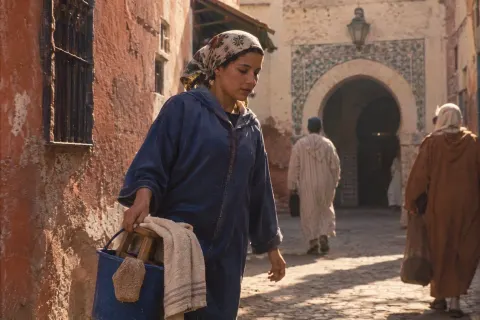
The Moroccan hammam order in your own bathroom: steam, black soap, the kessa mitt, rhassoul clay, rose water and argan oil, in 45 minutes.
You
Bodywhatever™
Black soap, a thorough rinse, and time for yourself. We’ll explain the Moroccan tradition and help you choose a home routine that fits your bathroom, time and budget.

Bodywhatever™ · CareFinder
Tell us about your hair or skin and your current habits. CareFinder explains where Moroccan ingredients fit and puts together care steps, with product options in the United States.
Find my care planFree · Email code · Saved in My Bodywhatever™
Make money with Bodywhatever
Create your bwe page for free. Share your routines, add your Amazon links and earn when people buy what you recommend.
Free. Takes 5 minutes. Sign in with an email code, no password.

Turn your wash day, skin night or hammam ritual into simple steps.
Pick the products you really use and add your own affiliate links.
Put one link in your bio and see your page views and product clicks.