Product for this step
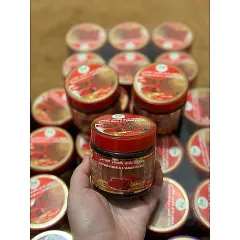
Soap · id.sarascarf
0 reviewsMoroccan ritual & routine · Step by step
The Moroccan hammam order in your own bathroom: steam, black soap, the kessa mitt, rhassoul clay, rose water and argan oil, in 45 minutes.
 By Fatima AmgharMoroccan beauty editor at Bodywhatever™
 Moroccan black soap
 Ghassoul clay
 Moroccan rose water
 Argan oil
4 product listings on Shopee Indonesia
The Moroccan hammam order in your own bathroom: steam, black soap, the kessa mitt, rhassoul clay, rose water and argan oil, in 45 minutes.
For you if your skin feels dull and rough, you have 45 minutes behind a closed door, and you want the real Moroccan order instead of a spa imitation.
A hammam is not a spa menu. In Morocco it is a weekly appointment: steam, saboun beldi (black soap), the kessa mitt until the dead skin rolls off, then l-ghassoul if you want clay, then ma ward and zit argan.
You do not need marble or a public bath. You need a closed bathroom, hot water, and the same order Moroccan women have used for centuries. Here is how to copy it — and what you can skip on a short day.
After a hot, sticky day in Indonesia, a cool rinse first makes every step feel better, and a light hand with oil is enough.
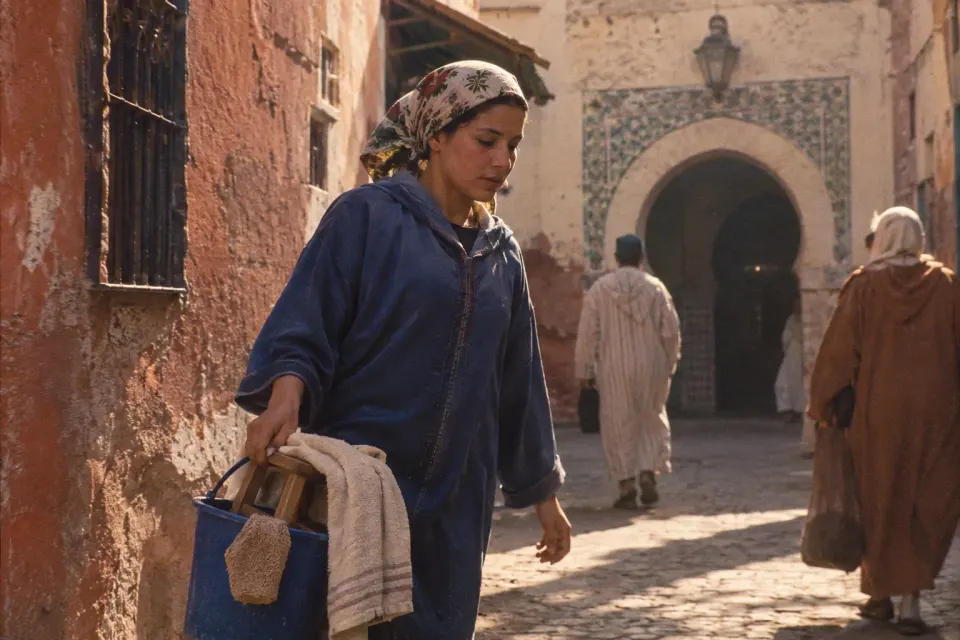
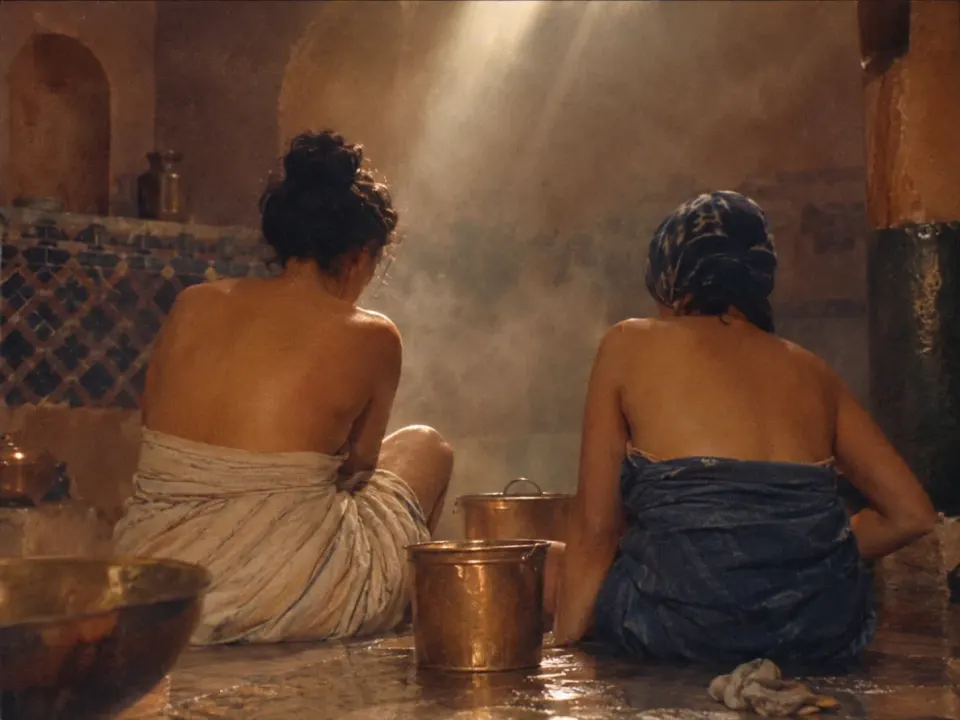
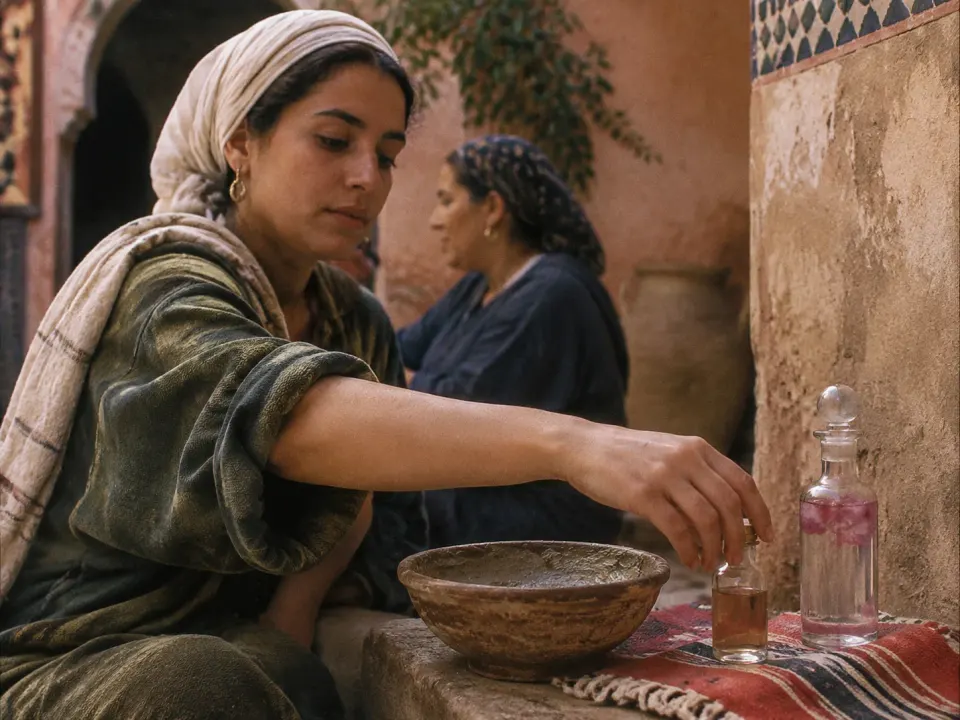
In Morocco the hammam is a place before it is a routine: warm rooms, stone benches, and women who come with their mothers, sisters and neighbors, each carrying a small bucket. Nobody rushes, and somebody always scrubs your back. You cannot move that room into your home. What you can bring home are the two things that make it work: the order of the steps, and the slowness.
The bucket itself is short. Saboun beldi, the soft olive paste people call Moroccan black soap. L-kissa, the kessa, a rough mitt. Rhassoul (ghassoul) clay, l-ghassoul in Moroccan Arabic, for the quiet part. Ma ward, rose water, and zit argan, argan oil, to close. Five things, and on most weeks the first two are enough.
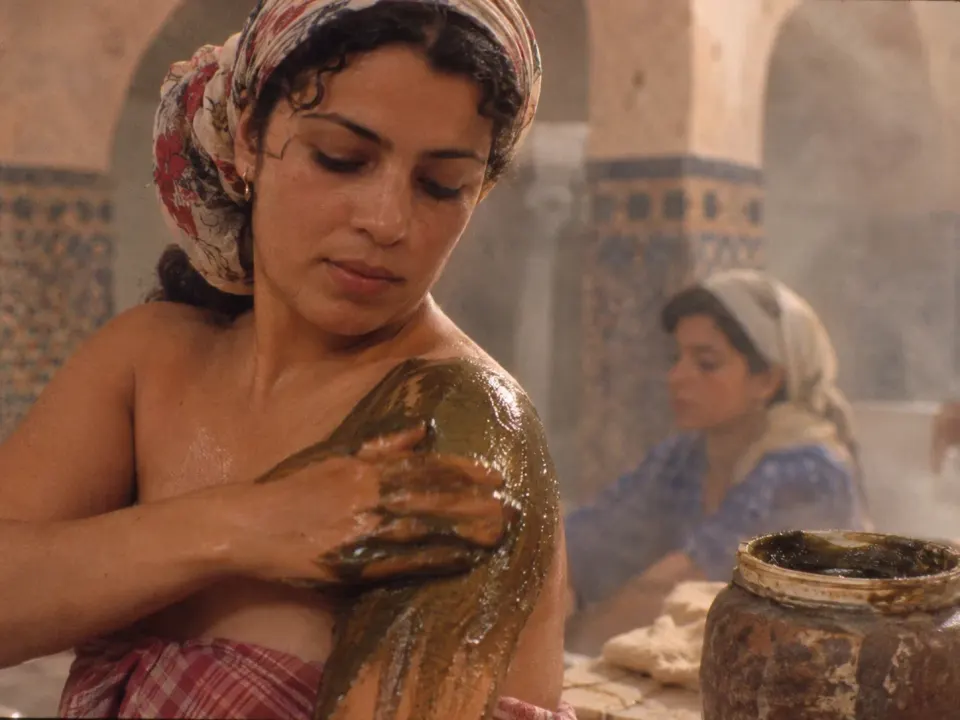
Heat comes first because a kessa does nothing on skin that has not softened. Then saboun beldi goes on. It does not foam, and it is not there to wash you: its job is to loosen what the week left on your skin, so that everything after it works better. You rinse it off completely, and only then does the mitt come out. If you scrub first, you only irritate. If you skip the wait, nothing comes off.
After the scrub the skin is bare, so the gentle things come last. Rhassoul lifts oil and dust without foam, and it is rinsed while it is still soft. Rose water cools. Argan oil goes on skin that is still a little damp, because oil holds water in; it does not add any. Each step prepares the next one. That is the whole secret.
No foam, no perfume, no scrub grains, no ten-piece set. A Moroccan grandmother would refuse a black soap that lathers like shower gel, a clay whose label runs a full paragraph, and an oil that smells like a candle. The real things are plain, and they are few. How to check each one comes after the steps.
Put everything within reach before you start: black soap, kessa glove, ghassoul already mixed in a bowl, rose water, argan oil, two towels and a glass of water for you.
Step 1
Put everything within reach: saboun beldi, the kessa, rose water, argan oil, two towels and a glass of water for you. Scoop a walnut-sized amount of soap into a small dish with dry fingers, so no water gets into the jar. If you are using rhassoul, mix it now: 2 tablespoons of clay stirred with warm water until it looks like yogurt. Once your hands are wet in the shower, it is too late. Tie your hair up and dim the light if you can.
Step 2
Close the door and run the hot shower until the mirror fogs. Then stand or sit under comfortably warm water for ten minutes, the kind you could stay under for a long time. You are not washing yet: you are letting your skin soften and your shoulders drop. If your skin turns red, the water is too hot. In the hammam, feet soak in a bucket during this time, so set a basin of warm water on the floor and stand in it up to the ankles. Your heels will be ready when their turn comes.
Step 3
Turn the water off. Spread the black soap over damp skin from the neck down, in a film so thin you can still see your skin through it. Do not forget the heels and the soles, and keep it off your face. It does not foam, and that is normal. Leave it for five minutes while you breathe in the steam, then rinse with your hands until nothing slips under your fingers. That complete rinse matters: the mitt must meet bare skin, not soap. If black soap is new to you, try it on one arm first.
Product for this step
Soap · id.sarascarf
0 reviewsStep 4
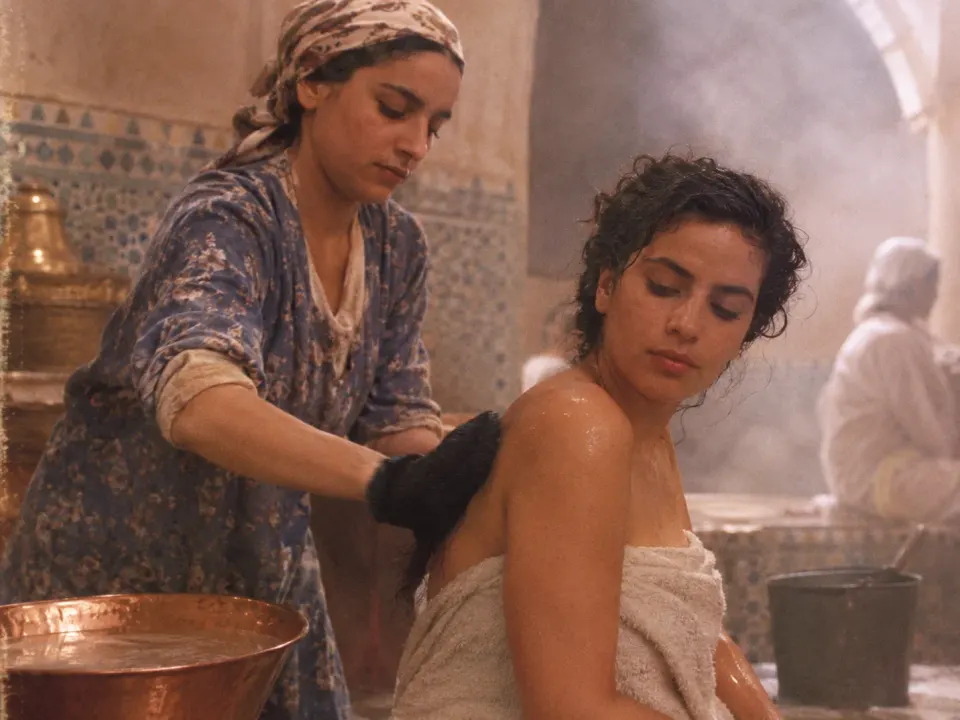
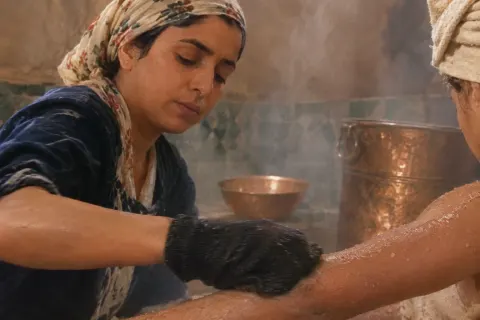
Wet the mitt, wring it well, and rub in long, firm, slow strokes: arms toward the shoulders, legs toward the hips, then the back. Small gray rolls will appear. That is the dead skin leaving, and it is the moment every Moroccan woman waits for. The pressure should feel like a firm massage, never a burn. Go lightly on the chest and stomach, and skip the face entirely. In the hammam a friend does your back; at home, do what you can reach and do not chase the rest. Rinse well.
Product for this step
Bathing accessory · Sujinawa Nature
0 reviewsStep 5
Feet get their own moment in the hammam, and after nearly half an hour of warm water and black soap they are ready. Rub each heel and the ball of each foot with the damp kessa in firm strokes. Stay on the hard skin and keep off any crack that is open. Then rinse the mitt, wring it, and hang it where it can dry completely before next week.
Step 6
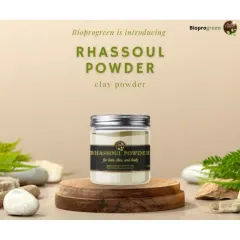
Spread the rhassoul paste over your body, and over your face if you like, staying away from the eyes. Then sit for five minutes: this is the quiet part of the hammam, and the reason the stone bench exists. Rinse while the clay is still soft, before it dries and cracks. No clay today? Make the rinse long instead: warm water over every part, until your skin feels clean and bare.
Product for this step
Powder · Mayka For Kids
0 reviewsStep 7
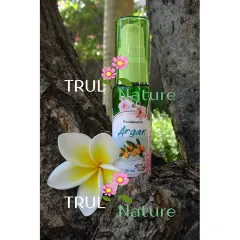
Press the towel onto your skin instead of rubbing, and stop while you are still slightly damp. Mist your face, neck and shoulders with rose water and take one deep breath: this is the scent of every Moroccan hammam. Then warm a few drops of argan oil between your palms and press them in within about three minutes of leaving the water, starting with the driest places: shins, knees, elbows. Two drops are enough for the face. Finish with five drops massaged into each heel, and pull on a pair of cotton socks kept only for this.
Product for this step
Oil · TRULY NATURE
0 reviewsStep 8
Put on something loose and soft, drink a large glass of water or a mint tea, and lie down for ten minutes. This part is not on the clock, and in Morocco nobody considers it optional. Your skin may stay a little pink for an hour. Let it.
A small tip: do your hammam in the evening, and in summer keep the rose water in the fridge. The cold mist after the heat is a small happiness, and you will sleep like a child.
Scrubbing over the soap. If saboun beldi is still on the skin, the kessa slides, nothing rolls, and you end up rubbing harder. Rinse first, always.
Rushing the warmth. Most hammams that disappoint had five minutes of steam instead of ten, or water so hot that the skin was red before the soap went on.
Using the kessa on dry skin, on the face, or every few days. It is a weekly tool for a warm, soaked body. More often, the skin turns tender and stings.
Letting the clay dry until it cracks. Rhassoul does its work while it is soft; dry clay pulls on the skin and is hard to rinse.
A handful of oil. Zit argan is counted in drops. On damp skin a few drops go far; a palmful sits on top and marks your robe.
The order stays the same; you choose how far you go. With twenty minutes, do the steam, saboun beldi, a quick kessa and whatever moisturizer you already own. With thirty minutes and no wish to scrub, leave the kessa out: warmth, black soap, rhassoul or a long rinse, then argan. That softer version suits an ordinary evening. It also suits sensitive skin, which can keep the kessa for feet and elbows only.
What you never skip: the ten minutes of warmth, the complete rinse of the soap, and the rest at the end. Many women alternate: one week only the black soap, another week the clay as well, and the full scrub when the whole 45 minutes are theirs.
Start with two things: saboun beldi and a kessa. Rhassoul, rose water and argan oil can come later, and until then the lotion you already love does the finishing job. You do not need a boxed set.
Saboun beldi is a soft paste, not a bar and not a liquid. Its color runs from dark amber to deep brown-green, it smells of olives, and its list is short: olive oil or olive paste, water, the potash that turns them into soap, sometimes eucalyptus. Refuse a jet-black gel, a strong perfume, or anything that lathers like shower gel.
Some Moroccan soap makers stir aker fassi, the traditional red made from poppy petals and pomegranate bark, into their black soap. It is used in exactly the same way, before the kessa, and many women keep it for the days before a celebration. The color stays in the soap and rinses away without marking the skin; just rinse the shower floor after you. For a first hammam, start with the plain one.
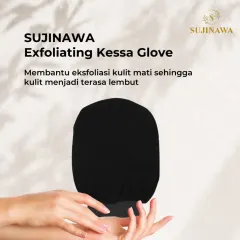
A kessa should feel rough and tightly woven, like crepe, with a cuff that holds it on your hand. Refuse a soft sponge mitt or a fluffy bath glove: it will never raise the rolls. One mitt per person, never shared.
Rhassoul should be only the clay, as powder or dry pieces, gray-brown and silky once wet. Rose water should list rose water or Rosa damascena, with nothing sweet or perfumed around it. Argan oil should have a single ingredient, Argania spinosa kernel oil, in a dark bottle, with a light nutty scent that fades within a minute on the skin.
Once a week is the Moroccan rhythm, and for many of us once every two weeks is plenty. On the other days, a quick shower is enough. Your skin will tell you: if it feels tight or tender, wait longer before the next kessa.
For the two or three days after, put a little argan oil or your usual lotion on after each shower, and oil on the heels every night. That nightly oil does more for rough heels than scrubbing them more often. They feel better from the first evening; very rough heels need a few weeks of the same quiet habit.
In Morocco the hammam is where women catch up: news, advice and gossip travel faster there than anywhere else. You can bring that home once a month. Ask each friend to bring a towel, a robe and her own kessa; you provide the black soap, the clay, rose water, argan oil and mint tea. Mix rhassoul with rose water in a large bowl and let everyone paint her own face in the living room. The soap and the scrub happen in the bathroom, one at a time, while the others drink tea, and scrubbing a friend's back is allowed and traditional. Then pass the argan around for hands and feet, put the phones in another room, and talk.
A Bodywhatever™ selection: Moroccan care you can buy in Indonesia.
Some product links are affiliate links. If you buy through them, Bodywhatever™ may earn a commission. Purchases, payment, delivery and returns are handled by the seller or marketplace, not Bodywhatever™. Prices and availability can change.
Use suitable products you already own. This selection may not cover every step; open CareFinder to apply your budget and BPOM and Halal preferences.

Soap · Skin · Body
Rp 140.000
 Listed on Shopee Indonesia
Sold by id.sarascarf

Bathing accessory · Body
Rp 47.440
Listed on Shopee IndonesiaSold by Sujinawa Nature

Our pick
Best for: hair washes and masks you mix yourself
Powder · Skin · Hair · Body
Rp 75.000
Listed on Shopee IndonesiaSold by Mayka For Kids

Oil · Skin · Hair · Body
from Rp 39.500
Listed on Shopee IndonesiaSold by TRULY NATURE
Common questions
Warm water, a closed door, Moroccan black soap, a kessa mitt and a clean towel are enough to start. Rhassoul clay, rose water and argan oil make it complete, and you can add them one at a time.
About 45 minutes for the full order: ten of steam, seven for the soap and its rinse, thirteen for the kessa and the heels, eight for the clay, seven to finish. Count twenty minutes for the short version and thirty for the one without the scrub, plus the rest afterward.
Once a week is the Moroccan habit. Every two weeks is fine too, if your skin is on the dry side or your schedule is full. More often than weekly, the kessa leaves the skin tender.
Yes. Most Moroccan homes do it with a shower or a bucket. Keep the door closed for the steam, and turn the water off while the soap and the clay sit on your skin.
Almost always, the skin was not warm and soaked long enough, or there was still soap on it. Stay ten full minutes in the warmth, rinse the black soap off completely, wring the mitt well and try again with firm, slow strokes.
In this ritual, no. The kessa is for the body only, and the soap stays below the neck. The face gets the gentle part instead: a few minutes of rhassoul if you like, a mist of rose water, and two drops of argan oil.
Yes, if you feel like it. On a day when you are tired or have cramps, choose the twenty-minute version, keep the water warm instead of hot, and give more time to the rest at the end.
In Indonesia you can order it on Shopee. Bodywhatever™ keeps a short selection of what can be delivered there, so you do not have to search through hundreds of listings. Open it here:
 30 minutes
Ritual & routine · Hair Care
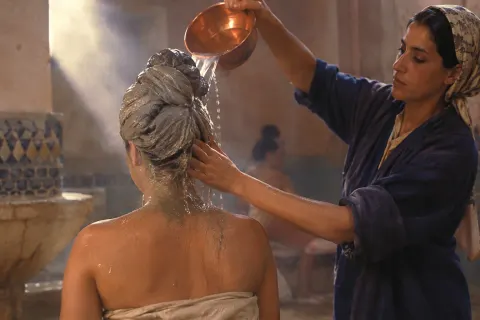
While the black soap works on your skin, give your hair the Moroccan treatment too.
 45 minutes
Ritual & routine · Bath & Body
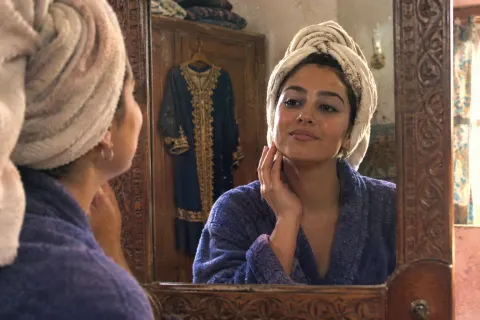
For a wedding, Eid, a graduation or a party: the Moroccan way to arrive with soft, luminous skin.
 20 minutes
Ritual & routine · Bath & Body
How to use a Moroccan kessa glove: after steam and black soap, on wet skin, once a week, so dead skin rolls off and your skin stays calm.
Care preparation
6 products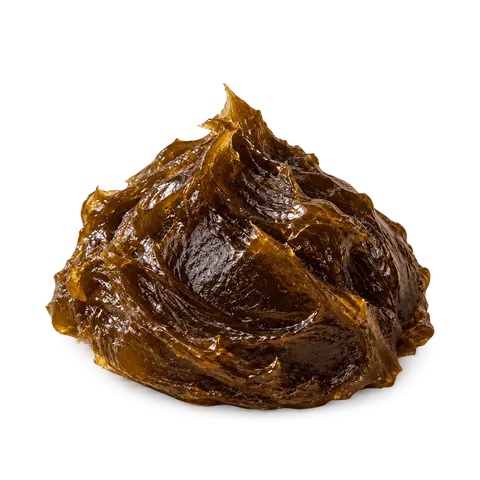
Mineral ingredient
3 products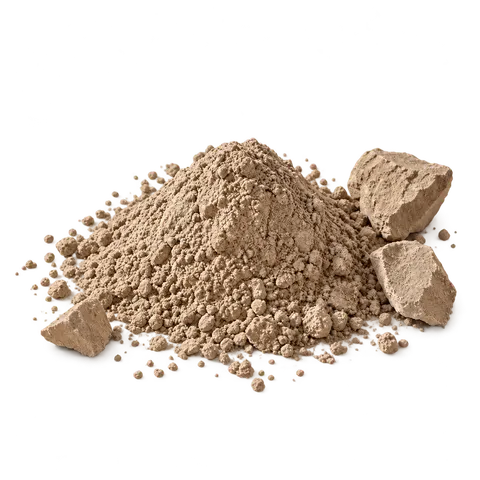
Care preparation
0 products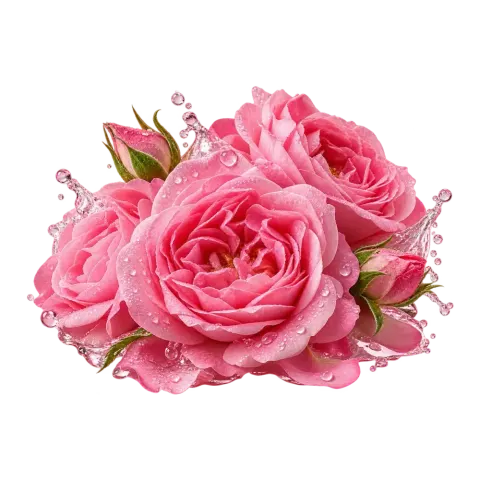
Botanical ingredient
39 products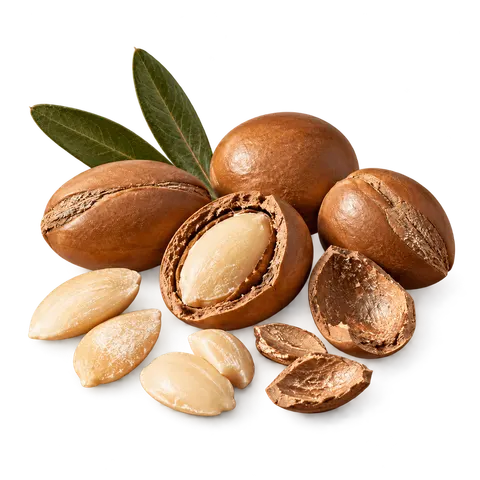
You
Bodywhatever™
Black soap, a thorough rinse, and time for yourself. We’ll explain the Moroccan tradition and help you choose a home routine that fits your bathroom, time and budget.

Bodywhatever™ · CareFinder
Tell us about your hair or skin and your current habits. CareFinder explains where Moroccan ingredients fit and puts together care steps, with product options in Indonesia.
Find my care planFree · Email code · Saved in My Bodywhatever™
Make money with Bodywhatever
Create your bwe page for free. Share your routines, add your Shopee links and earn when people buy what you recommend.
Free. Takes 5 minutes. Sign in with an email code, no password.

Turn your wash day, skin night or hammam ritual into simple steps.
Pick the products you really use and add your own affiliate links.
Put one link in your bio and see your page views and product clicks.