Powder · Amazon.com
0 reviewsMoroccan ingredients
Aker fassi is a red stain you wake with a damp brush from a small clay dish. How to build it on lips and cheeks, and how to spot an authentic pot.
 By Fatima AmgharMoroccan beauty editor at Bodywhatever™
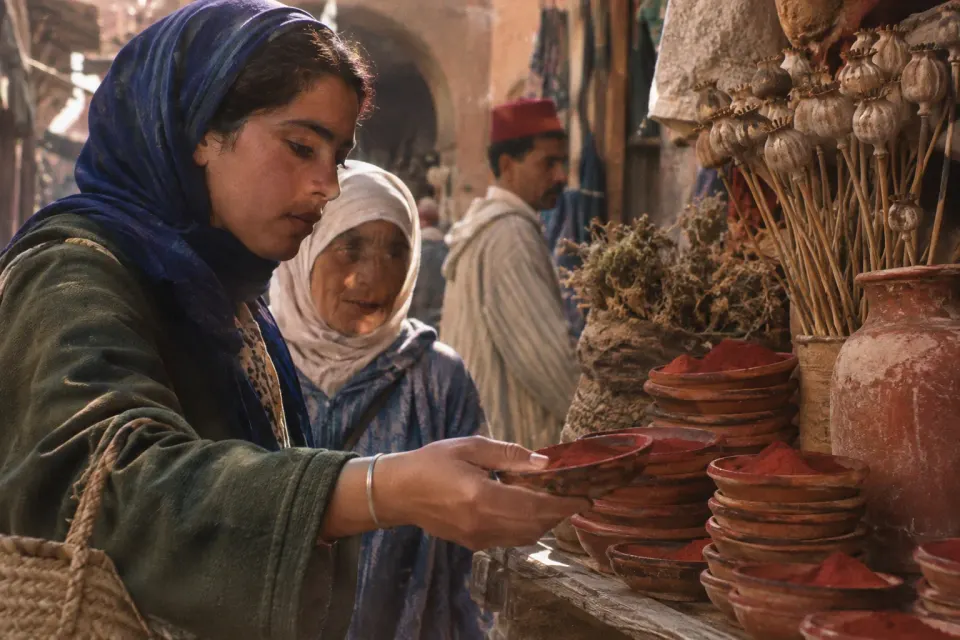
Aker fassi is not a lipstick. It is a red stain dried onto the inside of a small clay dish, and it does nothing until you wake it with a damp brush. Moroccan women have colored their lips and cheeks this way for generations: a few circles on the clay, a thin layer on the mouth, a touch on the cheeks, and the same red on both.
It leaves a tint in the skin rather than a layer you can feel, so it looks like your own color on a good day. If you want lips and cheeks that match without a full face of makeup, this is the gesture, along with the way to tell a real pot from a dyed one.
The name means, roughly, the rouge of Fes: aker for the red, fassi for the old city where it is traditionally made and sold. Its makers describe it as two plants, dried and ground very fine: the petals of the red corn poppy, Papaver rhoeas, and the peel of the pomegranate. The paste is painted onto a small terracotta dish and left to dry, and the dish becomes the palette.
Because it is a stain, the order matters. Color holds on skin that is soft but not slippery, so the lips are prepared first and blotted. It builds in thin layers: the first is almost sheer, the second is rosy, the third is a real red, and you decide where to stop. For a celebration it is worn deep. For an ordinary morning, one or two layers are plenty. And it sets fast, which is why the cheeks are blended at once. Think of it as watercolor.
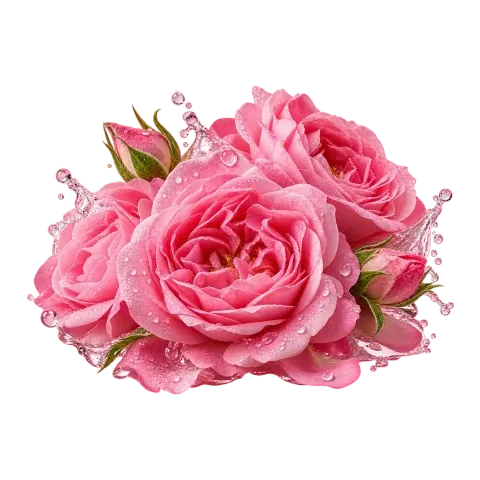
What you wet the brush with changes the result. Plain water gives the deepest red. Ma ward, rose water, works just as easily and smells lovely. A drop of oil on the brush gives a softer, sheerer tint.
The first time you open a new pot, dampen the brush, lift a little color and paint a short line on the inside of your wrist. Wait a few minutes. You see the true shade on your own skin, and you learn how your skin takes it. If you have plant allergies, give it until the next day before you wear it on your face. Aker fassi is for lips and cheeks. Keep it away from the eyes.
Smooth on a thin layer of lip balm, wait a moment, then press your lips on a tissue. They should feel soft, not slippery. A stain holds on to skin, and it slides off a thick layer of balm.
Dip the tip of a small lip brush or a cotton swab in water or ma ward. It should be damp, not dripping. Rub it in small circles on the clay until the red comes up on the bristles. Two or three circles are enough to start. Use the brush rather than your fingers, because the pigment tints fingertips too.
If yours is a loose powder in a little jar instead of a coated dish, tip out a pinch the size of a lentil onto a saucer and add a single drop of water. The rest is the same.
Paint a thin layer from the center of your lips outward. Wait a few seconds, then add another if you want more. Stop as soon as you like what you see: it is easier to add a layer than to take one away.
Dab two or three small dots on the apple of each cheek and blend straight away, with the brush, a small sponge or little taps of a fingertip, upward toward the temple. Be quick: once the stain sets, it stays where it is. If you wear moisturizer or sunscreen, let it settle for a minute first, then put the color on top.
Give the color one minute to dry, then press your lips once on a tissue. A stain transfers less than a waxy lipstick, but it can still mark fabric. If you wear a pale scarf or a white collar close to your face, test on a light cloth before you dress, and blend the cheeks well so nothing is left sitting on the surface.
Massage a little oil or cleansing balm over your lips and cheeks, then wash your face as usual. A faint tint can stay for a few hours. That is the nature of a stain, and it fades by itself.
Some mornings you want to look awake, not made up. Then reverse the order. Dampen the brush, rub it once or twice on the clay and do your cheeks first. Do not reload the brush: use what is left on it to tint the center of your lips, press them together and blot once. That is the soft, just-bitten look, and your skin still looks like skin.
Step back and look in daylight, near a window if you can. Happy? Stop there. Want a little more? Add one thin layer to the cheeks or to the lips, not both at once, and look again. The pot is small and flat, with nothing to spill, so it lives happily in a bag. If the color has faded by lunch, a damp cotton swab and ten seconds bring it back.
A brush that is too wet. The color runs, and on the lips it creeps past the edge. Damp is enough: touch the brush to a tissue before the clay if you are not sure.
Starting with too much. One heavy layer looks painted and is hard to soften. Three thin ones look like you.
Painting over a thick balm. The stain has nothing to hold on to and slides. Blot first.
Taking your time on the cheeks. Dots left for half a minute become dots that stay. Dab one cheek, blend it, then do the other.
Using your fingers in the pot, or closing it wet. Fingertips come out red, and a dish put away damp softens. Let it dry in the air before the lid goes back on.
Start with the list. A traditional aker fassi names its plants: poppy petals, Papaver rhoeas, and pomegranate peel, sometimes written Punica granatum. Refuse a listing with no ingredient list at all. Be wary of one that shows CI numbers, which are the codes of synthetic dyes, or perfume. Some makers add dye to deepen the color, and you are entitled to know.
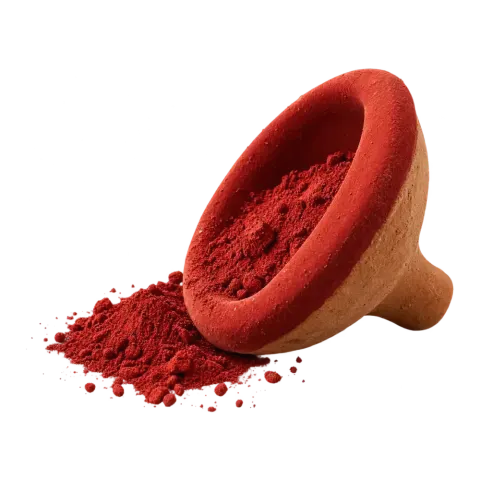
Then look at the object. The dish is small, of plain terracotta, shaped by hand, so no two are quite alike. The color is a thin coat dried onto the inside, deep and dark when dry, and it comes alive only with water. It gives itself up slowly: a damp brush lifts a little at a time.
Be suspicious of a red that floods the brush at the first touch, of a neon pink, and of a strong sweet smell. A traditional pot smells of very little. And the word Moroccan on the front proves nothing by itself: a good seller can tell you where the pot was made and what is in it.
The same color is also sold as a loose powder. The checks are the same: plants named, no dyes, no perfume. Whichever you choose, something made for the lips should arrive with full labeling. One pot is enough. Each touch uses so little that a single dish lasts a very long time.
A few products that fit this story. You do not have to buy anything: check the ingredients, price and delivery on the seller’s page.
Powder · Amazon.com
0 reviewsPowder · Amazon.com
0 reviewsSoap · Amazon.com
0 reviewsCommon questions
Dampen a small brush with water or rose water, rub it in circles on the clay until the red lifts, then paint thin layers on blotted lips and dab a little on the cheeks, blending at once. Three minutes is all it takes.
Both. It is one pigment in a clay pot that you use on lips and cheeks with a damp brush, which is why the two always match. One thin layer on the cheeks gives a soft pink; a second makes it stronger.
Either one. Plain water gives the deepest red; rose water smells lovely and works just as easily. The brush should be damp, never dripping.
Makers speak of some hours on the lips and longer on the cheeks. It depends on the pot, on your skin and on what you eat and drink. A touch-up takes ten seconds.
Massage an oil cleanser or a balm over lips and cheeks, then wash as usual. A faint tint can stay for a few hours; that is the nature of a stain.
No. Makers name the red corn poppy, Papaver rhoeas, the wild flower of spring fields, which is a different plant. It is one more reason to buy only a pot that lists its ingredients.
Not with one thin layer. Because it stains the skin instead of sitting on it, there is no powder or shine to see, only a little color. For school or the office, do the cheeks first and the lips with what is left on the brush.
In the United States you can order it on Amazon. Bodywhatever™ keeps a short selection of what can be delivered there, so you do not have to search through hundreds of listings. Open it here:
Body Notes Journal
Discover Moroccan beauty traditions, learn how to use the ingredients and find products available locally.
By subscribing, you agree to receive these emails. You can unsubscribe at any time.
Make money with Bodywhatever
Create your bwe page for free. Share your routines, add your Amazon links and earn when people buy what you recommend.
Free. Takes 5 minutes. Sign in with an email code, no password.

Turn your wash day, skin night or hammam ritual into simple steps.
Pick the products you really use and add your own affiliate links.
Put one link in your bio and see your page views and product clicks.